Determine Your Primary Use Case
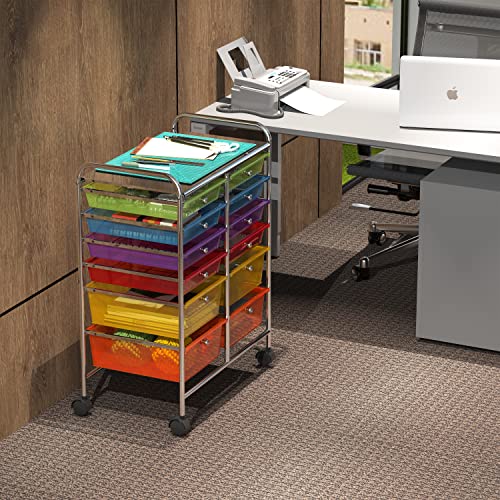
The first step in selecting a utility cart is defining its environment. A cart intended for a heavy-duty garage or workshop requires a vastly different build than one destined for a bathroom or a nursery. For high-traffic areas or heavy tools, look for reinforced steel frames and thick, heavy-duty plastic or metal trays. If the cart is intended for a bedroom or living area, prioritize aesthetic finishes—such as powder-coated metals in neutral tones—and smoother, quieter wheel movements to avoid disrupting the household ambiance.
Evaluate Tier Configuration and Capacity
Most utility carts come in three-tier or two-tier configurations. Three-tier models offer maximum vertical storage, making them ideal for small footprints like laundry rooms or tight kitchen corners. However, always check the weight capacity per shelf. A common mistake is assuming a cart can hold heavy kitchen appliances or stacks of books across all levels. High-quality utility carts will specify a weight limit for each individual tier, ensuring you don't bow the bottom shelf under the weight of heavy items.
Prioritize Mobility and Wheel Quality
The 'utility' in utility cart relies entirely on its wheels. There are two main types to consider: fixed casters and swivel casters. For maximum maneuverability, look for a cart where all four wheels are swivel casters, allowing you to navigate tight corners with ease. Furthermore, pay close attention to the locking mechanism. A cart without at least two locking wheels is a safety hazard, especially if you plan to use it as a rolling kitchen island or a workstation. For hardwood or tile floors, seek out rubberized or TPU wheels; these provide a smoother glide and prevent the unsightly scuff marks often left by cheaper, hard plastic wheels.
Material Durability and Maintenance
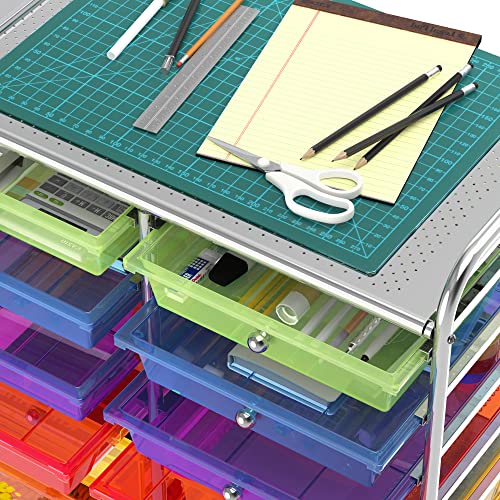
The material of your cart dictates its lifespan and cleaning requirements. Metal carts are exceptionally durable and can handle significant weight, but they may be prone to rusting if used in high-moisture environments like bathrooms unless they feature a high-quality powder coating. Plastic or resin carts are lightweight, rust-proof, and incredibly easy to wipe down, making them the gold standard for craft rooms (where spills are common) or bathrooms. If you are looking for a long-term investment, a combination of a metal frame with high-density plastic trays often provides the best balance of structural integrity and moisture resistance.
Before purchasing, measure both the intended storage space and the 'path of travel.' A cart might fit perfectly in its designated nook, but if it is too wide to navigate through your doorway or around a corner, it loses its mobile advantage. Consider the height of the top tier as well; if you plan to use the top shelf as a workspace, ensure it sits at a comfortable ergonomic height for standing or sitting tasks.