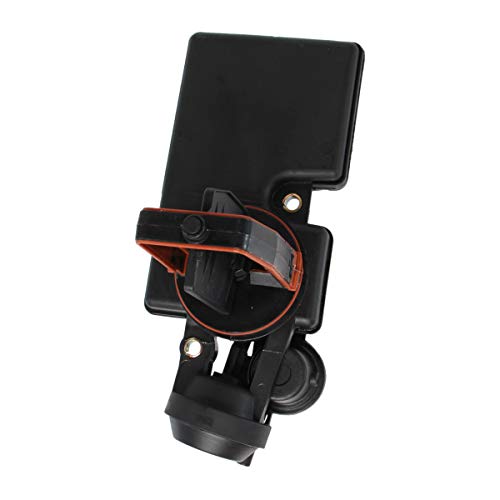
Understanding Vacuum Advance Mechanisms
Before purchasing, it is vital to understand that a vacuum advance is not a one-size-fits-all component. It works in tandem with your distributor to shift the ignition curve. When your engine is under low load, the vacuum signal pulls a diaphragm inside the canister, rotating the plate and advancing the timing. This helps with fuel economy and smoother cruising. However, the 'strength' of this advance must match your specific carburetor setup and manifold vacuum characteristics. If the advance is too aggressive, you risk pre-ignition or 'pinging' under load. If it is too weak, the engine will feel unresponsive and thirsty for fuel.
Key Decision Factors: Spring Rates and Curvature
The most technical aspect of choosing a vacuum advance is the spring rate. Most high-quality units come with interchangeable or adjustable springs. These springs provide the counter-force to the vacuum pressure. A lighter spring allows for more advance with less vacuum, while a heavier spring requires a stronger vacuum signal to move the mechanism. When shopping, look for units that offer multiple spring weights. This allows you to fine-tune the 'timing curve' to your specific camshaft profile. If you are running a high-lift performance cam, you may need a different vacuum advance profile than a stock factory setup to compensate for the loss of low-end vacuum.
Compatibility with Distributor and Carburetor Types
Compatibility is the most common pitfall for enthusiasts. You must ensure the vacuum advance unit is designed for your specific distributor housing diameter and mounting style. Furthermore, the type of carburetor you use dictates the vacuum signal available. A progressive linkage carburetor might provide a different vacuum profile than a constant-velocity setup. Always verify that the vacuum port diameter on the advance unit matches the vacuum nipple on your intake manifold or carburetor to prevent air leaks, which can cause erratic idling and engine damage.
Build Quality and Material Selection
Because vacuum advances are subject to constant mechanical movement and heat cycles, material integrity is paramount. Avoid units that use thin, stamped metal for the vacuum diaphragm housing, as these are prone to cracking over time, leading to vacuum leaks. Seek out heavy-duty, cast, or machined components. A high-quality unit will feature a robust rubber diaphragm that resists hardening and tearing under high-temperature engine bay conditions. Look for precision-machined weights and smooth-traveling linkages, as any friction in the mechanical movement will result in imprecise timing adjustments.
Recommendation Logic
When deciding which model to invest in, follow this logic: If you are performing a period-correct restoration, prioritize a unit that matches the original factory specifications for timing advance degrees. If you are building a street/strip performance engine, prioritize adjustability. Choose a unit with interchangeable springs so you can dial in the timing as you change your camshaft or compression ratio. Always prioritize durability and leak-proof construction over the lowest price point, as a failed vacuum advance is a difficult and frustrating troubleshooting task once the engine is assembled.