Material and Texture: Setting the Mood
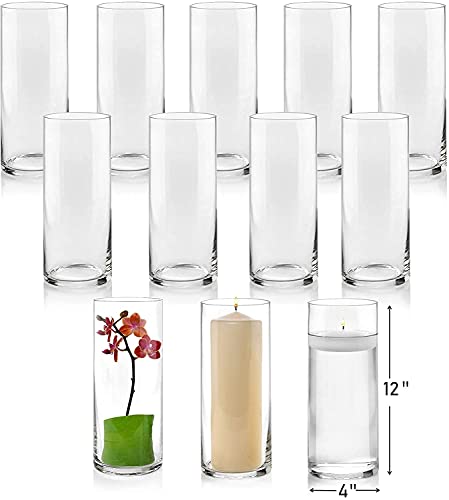
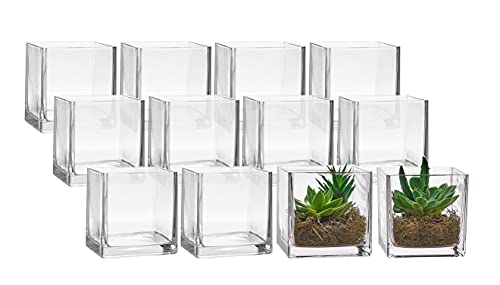
The material of your vase dictates its visual weight and how it interacts with light. Ceramic vases are a staple for those desiring a matte, organic look. They provide a sense of stability and warmth that works exceptionally well in Scandinavian or Bohemian settings. If you prefer something that reflects light and adds a sense of luxury, glass is the superior choice. Clear glass allows the stems and water to become part of the visual composition, making it ideal for bright, airy spaces. However, if you want to hide murky water or messy stems, look for frosted glass or opaque stoneware. Pay close attention to the finish—high-gloss finishes feel formal and polished, while textured, unglazed surfaces offer a more relaxed, tactile experience.
Scale and Proportion: The Golden Rule of Decor
One of the most common mistakes in home styling is choosing a vase that is either dwarfed by its arrangement or overwhelms the surface it sits on. When selecting a vase, consider the 'Rule of Thirds.' Ideally, your floral arrangement should be roughly 1.5 to 2 times the height of the vase itself. For large dining tables, opt for taller, more substantial vessels that command attention without blocking eye contact across the table. For mantelpieces or bedside tables, smaller, bud-style vases offer a delicate touch that won't clutter the space. Always measure your intended surface area before purchasing to ensure the base of the vase is stable and proportional to the tabletop.
Functional Design: Stem Support and Stability
A beautiful vase is useless if it cannot hold water or if it tips over at the slightest breeze. If you plan on using heavy, top-heavy blooms like hydrangeas or sunflowers, look for vases with a wider base or a heavier bottom to ensure stability. Neck width is another critical factor: a narrow neck is perfect for single stems or delicate wildflowers, as it keeps them upright and clustered. Conversely, a wide-mouth vase is better suited for lush, sprawling arrangements like peonies or eucalyptus branches. If you frequently switch between different types of greenery, a medium-width opening offers the most versatility.
Style Integration: Matching Your Aesthetic
Before finalizing your choice, visualize the vase in its permanent home. Geometric, sharp-edged vases pair beautifully with Mid-Century Modern or Industrial decor, emphasizing clean lines and structural integrity. On the other hand, rounded, bulbous shapes or asymmetrical organic forms lend themselves to Shabby Chic or Japandi styles. Don't be afraid to use a vase as a standalone sculptural piece even when it's empty. In these cases, the silhouette and material become the primary focus of the decor rather than the flowers themselves.