Prioritizing Structural Protection and Shell Material
The first decision factor in choosing a Yinfente case is the exterior shell material. Most high-quality cases in this category utilize a combination of hard-shell composites or reinforced plastics designed to absorb kinetic energy during accidental drops. When evaluating a case, look for a smooth, non-porous finish that can withstand minor abrasions. A rigid shell is non-negotiable. It prevents the wooden body of the violin from being crushed by external pressure. Additionally, consider the weight-to-strength ratio. While a heavier case might offer a sense of security, a violinists's mobility is paramount. You want a shell that is robust enough to resist punctures but light enough to carry through crowded subway stations or up long flights of stairs without causing fatigue.
Internal Environment and Humidity Control
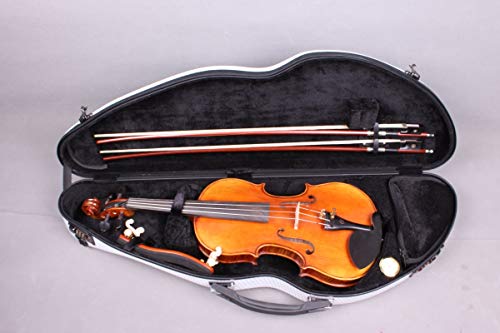
The interior of the case is arguably more important than the exterior. The violin is an organic instrument made of wood, which means it is hypersensitive to environmental changes. A superior Yinfente case will feature a plush, high-density velvet or silk-like lining. This lining serves two purposes: it prevents surface scratches on the varnish and provides a thermal buffer. When browsing, check the depth and contouring of the interior padding. A well-designed case should cradle the scroll, the bridge, and the belly of the violin perfectly, ensuring there is no 'rattle' or movement when the case is tilted. Furthermore, look for cases that provide ample space for a hygrometer or small humidification packets, as maintaining a stable internal microclimate is the best way to prevent cracks in the wood.
Storage Capacity and Accessory Management
Violinists rarely travel with just the instrument. You will likely need to transport a bow (or multiple bows), rosin, extra strings, a shoulder rest, and perhaps a tuner or metronome. When selecting your case, examine the compartment layout. Some models offer a large, singular accessory compartment, while others provide specialized, velvet-lined slots for bows to prevent them from knocking against the instrument. If you are a professional, you may require extra space for sheet music or a tablet. A case that lacks organized storage can lead to a disorganized interior where loose items shift and potentially damage the violin's delicate components.
Ergonomics and Portability Features
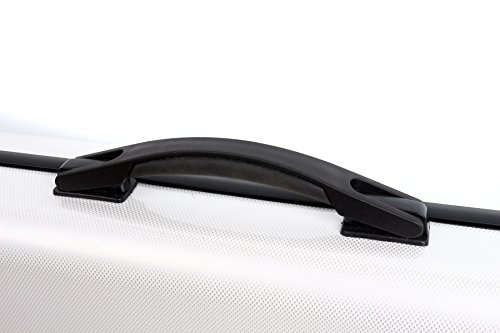
Finally, consider how you will actually carry the case. Yinfente designs often feature various carrying configurations, including traditional top handles, backpack-style straps, or even specialized shoulder slings. For students walking long distances, backpack straps are essential to distribute weight evenly across the shoulders and prevent back strain. For professionals traveling via public transit, a sleek, streamlined profile that fits easily into overhead compartments or between your feet is preferable. Pay close attention to the quality of the zippers and latches. These are the primary points of failure. High-tension latches that provide a tactile 'click' are a sign of a case built to withstand the rigors of frequent travel.