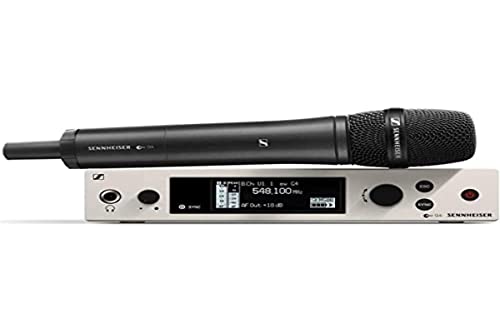
Understanding the Dynamic Advantage for Vocals
Before diving into specific models, it is vital to understand why a professional would choose a dynamic capsule over a condenser. Dynamic microphones use electromagnetic induction to convert sound into electrical signals. This process inherently limits the sensitivity of the microphone, which is actually a massive benefit for vocalists performing in loud environments. If you are a singer performing on a stage with loud drum kits or guitar amplifiers, a dynamic microphone will help isolate your voice and minimize 'bleed' from other instruments. Furthermore, dynamic microphones do not require phantom power, making them incredibly easy to integrate into various setups, from mobile recording rigs to massive live sound consoles.
Key Decision Factors: Polar Patterns and Proximity Effect
The most critical technical specification to evaluate is the polar pattern. Most Sennheiser vocal dynamics utilize a cardioid pattern, which is highly directional, picking up sound from the front while rejecting sound from the rear. This is essential for minimizing feedback during live performances. However, you should also consider the 'proximity effect.' This is the increase in low-frequency response as the vocalist moves closer to the capsule. Some Sennheiser models are engineered to provide a warm, 'radio-ready' boost when used close-up, which is ideal for deep baritone voices or podcasting. Conversely, if you prefer a more natural, transparent sound that doesn't become 'boomy' when you lean in, look for models with a flatter frequency response in the lower mids.
Frequency Response and Tonal Character
Not all dynamic microphones sound the same. Sennheiser designs their professional line with specific tonal signatures in mind. Some models are tuned with a slight presence boost in the upper-midrange frequencies. This 'presence peak' helps a vocal cut through a dense musical mix, ensuring that the lyrics remain intelligible even when accompanied by heavy instrumentation. When selecting your microphone, consider your natural vocal timbre. If you have a naturally bright or piercing voice, you might seek a microphone with a smoother, warmer roll-off in the high end to prevent listener fatigue. If your voice tends to be dark or muffled, a microphone with a boosted high-frequency response will provide much-needed clarity.
Durability and Build Quality for Touring
A professional microphone is an investment that should last decades. Sennheiser is renowned for its robust housing and internal shock-mounting. When shopping, look for microphones that feature all-metal construction and integrated windscreen elements. If your primary use case is touring, the weight and balance of the microphone matter. You want something that feels secure in a standard microphone clip and can withstand the occasional drop without losing its internal calibration. A high-quality build doesn't just prevent physical damage. It also helps reduce handling noise—the unwanted thumps and scrapes caused by a performer moving the microphone during a set.
Summary Recommendation Logic
To make your final decision, follow this logic: If you are a live performer in a high-volume environment, prioritize a tight cardioid pattern and high SPL handling. If you are a studio vocalist looking for a 'character' mic to add warmth to a digital recording, look for models known for their rich low-mid response and smooth high-end. For those needing a versatile tool that bridges the gap between a stage mic and a broadcast mic, seek out a model with a balanced presence boost that offers clarity without being overly clinical.