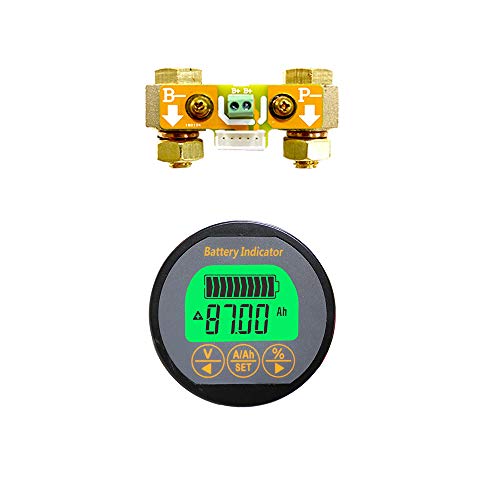
The first decision you must make is determining whether you need a non-contact voltage tester (NCVT) or a contact-based multimeter/tester. Non-contact testers are designed for speed and safety. They use electromagnetic field detection to sense voltage through insulation, meaning you don't have to touch bare wires to know if a line is live. These are ideal for a quick sweep of a wall outlet or a power cord. However, they cannot tell you the exact voltage level or whether a circuit is grounded properly. If your task involves verifying specific voltage levels (such as checking if a battery is at 12V or 24V) or testing continuity, you will need a device that makes physical contact with the conductor.
Sensitivity and Detection Range
Not all testers are created equal when it comes to sensitivity. A high-quality tester should be able to detect voltage in a wide range of environments, from standard household AC outlets to industrial-grade electrical panels. Look for testers that offer adjustable sensitivity or multi-level alerts. For example, some advanced models provide different visual or audible signals based on the intensity of the field detected. This prevents 'nuisance tripping'—where a tester goes off due to static or stray electromagnetic interference—while ensuring it is sensitive enough to catch a low-voltage leak that a cheaper, less sensitive tool might miss.
Safety Ratings and Insulation
Safety is the most non-negotiable factor when purchasing electrical diagnostic equipment. You should always check the CAT (Category) rating of the tester. CAT III ratings are generally suitable for residential and commercial distribution, while CAT IV is required for tasks involving the service entrance or outdoor utility lines. A tester with a higher safety rating is built to withstand transient voltage spikes without failing or conducting electricity to your hand. Furthermore, look for ergonomic designs with high-quality insulation and ruggedized housings that can withstand drops on a job site.
Visual and Audible Feedback
In loud construction environments or dark electrical closets, how a tester communicates is vital. A professional-grade tester should provide redundant feedback. This means it should offer both a bright, high-visibility LED light (often color-coded, such as red for live and green for dead) and a loud, distinct audible beep. If you are working in a cramped space where you cannot easily see the tip of the device, the audible alert becomes your primary safety mechanism. The more intuitive the feedback, the less likely you are to misinterpret a reading.
Key Decision Logic
To choose the best tool, match the device to your primary use case. If you are a homeowner looking for quick peace of mind before changing a light fixture, a high-sensitivity non-contact tester with a clear LED indicator is your best bet. If you are a technician performing complex troubleshooting, prioritize a device that offers contact-based measurements and high CAT safety ratings. Always prioritize build quality and safety certifications over the lowest price, as a faulty tester is a liability, not a tool.