Material Authenticity and Durability
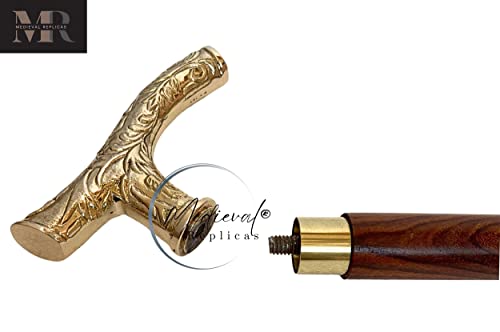
The foundation of any high-quality medieval replica is the material used for the shaft and the headpiece. In the medieval era, wood was the primary medium, specifically dense hardwoods like oak, ash, or walnut, which could withstand the rigors of travel. When shopping for a replica, avoid lightweight plastics or hollowed-out composites that feel 'toy-like.' A genuine-feeling cane should have a substantial weight that suggests it could actually be used for defense or long-distance walking. Look for solid wood construction with a grain that feels organic. For the ornamental elements—such as dragon heads, knights' helmets, or religious iconography—look for materials like cast resin, antiqued brass, or even wrought iron. These materials provide the visual weight and texture necessary to pass a close inspection during a historical reenactment.
The Balance of Function vs. Decoration
One of the most critical decision factors is determining whether the cane is intended for 'display only' or 'active use.' If you intend to use the cane for actual walking support, the center of gravity is paramount. A cane with a top-heavy, oversized metal head (such as a large gargoyle or a heavy lion's head) may look stunning on a mantle, but it will be difficult to balance while walking. For functional use, seek out replicas where the weight is distributed evenly along the shaft. If you are a collector focused purely on aesthetic accuracy, you can prioritize intricate, oversized carvings and heavy metallic embellishments that might otherwise compromise the ergonomics of a walking tool.
Stylistic Eras and Iconography
The 'Medieval' period spans several centuries, each with distinct visual languages. To make an informed purchase, decide which sub-era resonates with your collection. Early Medieval or Viking-inspired replicas often feature knotwork, runic engravings, and more rugged, unpolished finishes. High Medieval pieces might lean toward the Gothic, featuring pointed arches, religious motifs, and more refined craftsmanship. Later periods might incorporate more heraldic elements, such as family crests or knightly symbols. Pay close attention to the 'finish' of the piece. A high-quality replica should avoid a shiny, factory-new look. Instead, look for 'distressed' or 'antiqued' patinas that mimic the natural aging of wood and metal over decades of use.
The Importance of the Ferrule and Grip
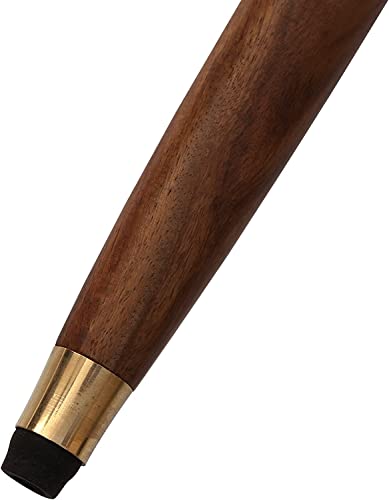
A common mistake in low-end replicas is neglecting the base of the cane. A true walking staff requires a sturdy ferrule (the tip) to prevent slipping and to protect the wood from moisture. If you plan to walk with your replica, ensure it has a replaceable rubber or metal tip that is discreet enough not to ruin the historical silhouette. Furthermore, consider the grip. A smooth, polished wooden handle is classic, but some replicas offer leather-wrapped grips which provide better tactile control and a more 'period-correct' feel for a traveler or a soldier on the move. Always check that the connection between the handle and the shaft is reinforced, as this is the primary stress point during use.