Material Composition: Peel-and-Stick vs. Traditional Paste
The most critical decision you will make is selecting the substrate. Most modern murals fall into two categories: self-adhesive (peel-and-stick) and non-adhesive (requiring wallpaper paste). Peel-and-stick murals are essentially high-quality vinyl decals. They are incredibly user-friendly for DIY enthusiasts and are the gold standard for renters because they can be removed without damaging the underlying paint. However, they require a very smooth, primed wall surface. Any texture will cause air bubbles or lifting. On the other hand, traditional paste-on murals often use a woven fabric or heavy-duty paper. These are more permanent and tend to handle textured walls slightly better, but they require more skill and tools to apply correctly without creating unsightly wrinkles.
Surface Texture and Wall Preparation
Before you hit purchase, run your hand across your wall. If your walls have a heavy 'orange peel' or knockdown texture, a standard thin vinyl mural will struggle to adhere, leaving gaps in the pattern. For highly textured surfaces, look specifically for 'textured-friendly' murals or thicker fabric-based options that can bridge the small divots in the wall. Additionally, ensure your wall is clean and free of dust or oils. Even the highest-rated adhesive mural will fail if applied to a dusty surface. For a professional finish, we recommend wiping the area with a damp cloth and letting it dry completely before installation.
Visual Scale and Room Dimensions
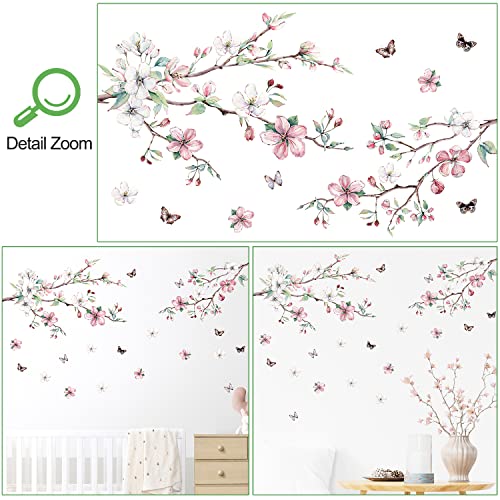
One of the most common mistakes is choosing a mural with a pattern scale that is too small for the room. A tiny floral pattern that looks great on a small sticker can look cluttered and overwhelming when scaled up to cover an entire dining room wall. Conversely, a massive landscape mural might lose its impact in a narrow hallway. When shopping, look at the total dimensions provided. You want a design where the 'hero' element of the image—the mountain peak, the central character, or the main abstract swirl—is positioned at eye level. Always measure your wall height and width twice, accounting for windows, doors, and electrical outlets that might interrupt the visual flow.
Print Quality and Color Accuracy
Because murals are viewed from a distance, the resolution of the print is paramount. Look for descriptions mentioning high-definition (HD) printing or eco-friendly UV inks. This ensures that when you stand close to the wall, you don't see pixelation or 'noise' in the image. Furthermore, be aware that digital screen colors often vary from physical ink on vinyl. If you are aiming for a specific color palette to match your sofa or rug, check if the manufacturer provides color swatches or customer photos. Real-world photos are often more reliable than studio renders for judging how the light will hit the material and how the colors will actually appear in a residential setting.
Installation Complexity and Reusability
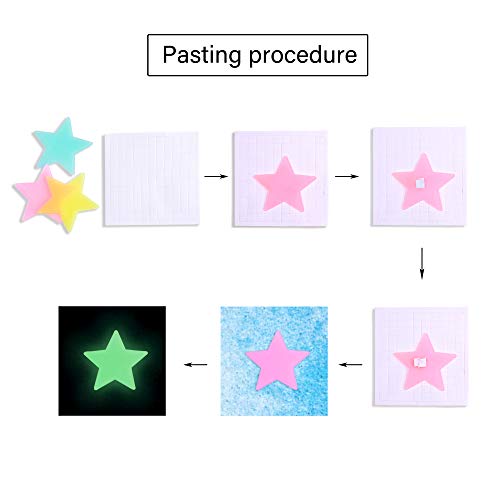
Consider your long-term goals. If you are decorating a nursery that the child will outgrow in two years, prioritize high-quality removable vinyl. If you are creating a permanent feature wall in a home office, a more robust, paste-applied mural might offer a more seamless, 'painted-on' look. Always check the instructions regarding 'reusability.' Some premium peel-and-stick murals are designed to be repositioned during installation, which is a lifesaver for beginners, while cheaper versions may lose their stickiness the moment you pull them away from the wall.