Evaluate Material and Texture
Not all wall stickers are created equal. When browsing murals, the first thing you must consider is the substrate material. High-quality murals often come in two main varieties: matte vinyl and fabric-based textiles. Matte vinyl is excellent for high-traffic areas like hallways or living rooms because it is generally more resistant to scuffing and can be wiped down with a damp cloth. However, if you are looking for a more premium, seamless look, textile-based murals are often preferred. Fabric murals tend to absorb light rather than reflect it, preventing that 'plastic' sheen that can make a wall look artificial. Look for materials that offer a 'breathable' quality to prevent moisture buildup behind the sticker, which is crucial for maintaining adhesion in varying humidity levels.
Scale and Room Proportion
One of the most common mistakes in wall decor is choosing a pattern that is too small for the wall or too large for the furniture layout. A mural with tiny, intricate details might look beautiful in a close-up photo, but from across the room, it can appear as visual noise. Conversely, a massive, singular botanical leaf might overwhelm a small powder room. When selecting an aratikdesigns mural, visualize the 'focal point.' If you have a large sectional sofa, you want a mural that provides a grand backdrop without being interrupted by the silhouette of the furniture. If you are decorating a small nook, look for designs with 'negative space'—areas of the mural that are less busy—to prevent the room from feeling claustrophobic.
Surface Compatibility and Adhesion
Before committing to a design, you must audit your walls. Murals perform best on smooth, primed, and non-porous surfaces. If your walls have a heavy 'orange peel' texture or a significant stucco finish, the edges of the sticker may lift over time, or the pattern may appear distorted. For those living in rental properties, the 'peel and stick' aspect is a major selling point, but you should ensure the adhesive is specifically formulated to be residue-free. If you are applying a mural over a freshly painted wall, ensure the paint has cured for at least three to four weeks. Applying stickers to 'new' paint often leads to adhesion failure as the paint gases out.
Color Accuracy and Lighting
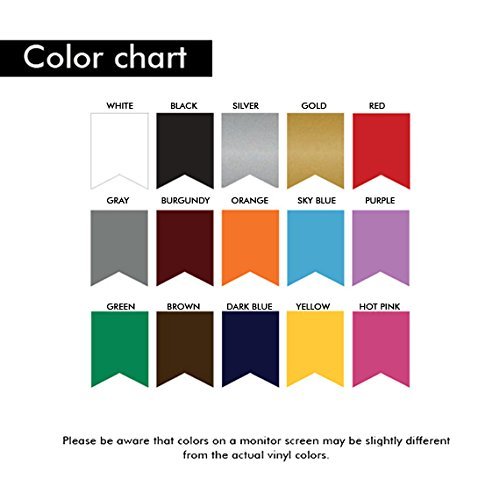
Digital screens can be deceptive. A mural that looks like a soft, muted sage on your tablet might arrive looking much more vibrant in person. To mitigate this, look for descriptions that specify color palettes and consider the lighting in your room. A room with heavy north-facing light (which is cooler and bluer) will make cool-toned murals look even more subdued, while a room with warm, incandescent lighting can make earth tones pop. If you are undecided, prioritize murals with a wide range of tonal shifts, as these tend to be more forgiving under changing light conditions throughout the day.
Installation Complexity
Consider your DIY skill level. Some murals are designed as single, massive sheets that require two people to align perfectly, while others are 'decal-style' collections of individual elements that you arrange yourself. If you are a beginner, a decal-style mural offers more flexibility because it allows you to correct mistakes easily. If you want a seamless, photographic look, be prepared for a more methodical installation process that involves smoothing out air bubbles and ensuring perfect vertical alignment from the very first piece.