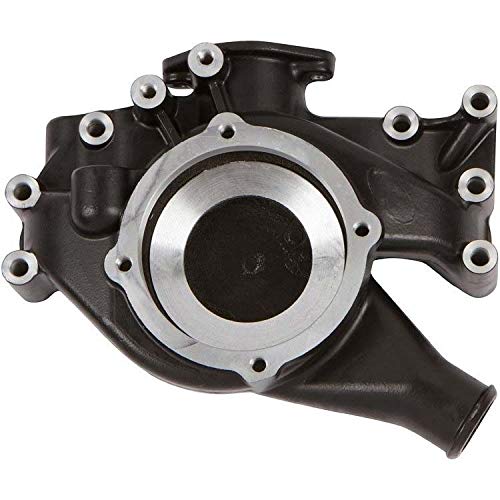
Understanding Flow Rates and Impeller Design
The most critical factor in selecting a CVF Racing water pump is the impeller design. In a performance setting, you aren't just looking for movement. You are looking for efficient displacement. High-performance pumps often feature CNC-machined or cast aluminum impellers with optimized blade geometry. Look for designs that minimize cavitation—the formation of vapor bubbles that can erode the pump housing and reduce cooling capacity. A higher flow rate is beneficial, but it must be balanced with the ability to move fluid effectively across the entire thermal range of your engine. If you are running a high-horsepower setup, prioritize a pump with a larger impeller diameter and more aggressive blade pitch to ensure coolant reaches the cylinder heads rapidly.
Material Composition and Durability
CVF Racing typically utilizes high-grade aluminum castings, which offer several advantages over traditional cast iron. Aluminum is significantly lighter, reducing front-end weight, and provides superior thermal conductivity, which helps dissipate heat from the coolant more effectively. However, when selecting a pump, pay attention to the quality of the casting and the seal integrity. High-performance engines subject components to significant vibration and thermal cycling. Ensure the pump features high-quality mechanical seals and heavy-duty bearings that can withstand the increased load of a high-flow impeller without premature failure or weeping.
Compatibility and Fitment Specifics
One of the most common mistakes in performance cooling upgrades is overlooking the mounting pattern and drive configuration. While many CVF pumps are designed to be direct replacements for standard patterns, you must verify the bolt pattern of your specific engine block and water pump housing. Additionally, consider your belt drive setup. Are you running a standard V-belt, a serpentine system, or a cogged belt for racing? The pulley design included with the pump should match your accessory drive configuration. If you are upgrading a vintage engine, ensure the pump's snout length and bearing offset are compatible with your existing timing cover to avoid belt misalignment, which can lead to rapid wear or snapped belts.
Cooling System Integration
A high-performance water pump is only one part of the thermal management equation. When choosing your pump, consider your overall cooling strategy. If you are running a high-capacity radiator or a water-methanol injection system, your pump needs to be able to handle the increased volume and potential chemical changes in the coolant. Furthermore, if you are building a dedicated race engine, consider if you need a pump that can operate effectively with specialized racing fluids, which may have different viscosity profiles than standard automotive antifreeze. Matching the pump's output to your radiator's capacity ensures that you aren't simply moving hot water around the system faster, but actually exchanging heat efficiently.