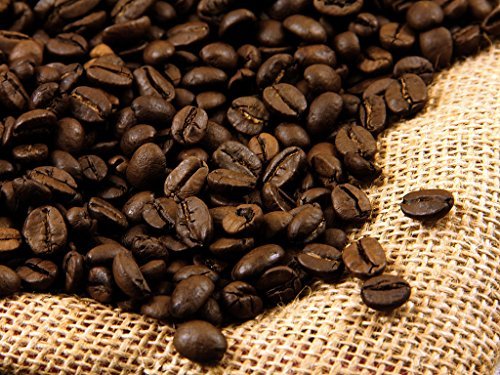
Understanding Roast Profiles and Flavor Development
The roast profile is the primary driver of flavor. When browsing different selections, you must decide whether you prefer the inherent characteristics of the bean or the transformative power of the roasting process. Light roasts tend to preserve the 'terroir'—the unique soil and climate characteristics of the origin—resulting in bright acidity and floral or fruity notes. Medium roasts strike a balance, offering a more rounded body with notes of caramel or toasted nuts. Dark roasts, conversely, emphasize the oils and sugars developed during the roast, leading to a heavier mouthfeel and flavors of dark chocolate, smoke, or spice. Your choice should align with your preferred brewing method: light roasts shine in Chemex or V60 setups, while darker roasts provide the punch needed for milk-based espresso drinks.
Single-Origin vs. Blends
One of the most critical decision factors is whether to opt for a single-origin bean or a curated blend. Single-origin coffees provide a transparent window into a specific region or even a specific farm. These are ideal for those who enjoy exploring the subtle differences between Ethiopian, Colombian, or Sumatran profiles. Blends, on the other hand, are an intentional marriage of different beans designed to achieve a consistent, repeatable flavor profile. If you want a cup that tastes exactly the same every single morning, a blend is your best bet. If you want a sensory adventure that changes with every bag, lean toward single-origin offerings.
Freshness and the Importance of Roast Dates
Coffee is a perishable agricultural product. Once roasted, the beans begin to degas, releasing carbon dioxide and slowly oxidizing. To ensure you are getting the best possible experience, always look for bags that clearly display a roast date rather than just a 'best by' date. For peak flavor, aim to consume your beans within two to four weeks of the roast date. High-quality roasters often use one-way degassing valves on their packaging. These allow CO2 to escape without letting oxygen in, which is essential for maintaining the integrity of the bean's aromatic oils.
Processing Methods: Washed, Natural, and Honey
Beyond the roast, how the coffee cherry was processed significantly alters the final taste. 'Washed' coffees undergo a fermentation process to remove the fruit before drying, resulting in a clean, crisp, and high-acidity cup. 'Natural' (or dry) processed coffees are dried with the fruit still attached to the bean, which imparts heavy body and intense, jammy, or berry-like sweetness. 'Honey' processing sits in the middle, offering a creamy texture and moderate sweetness. Understanding these methods allows you to predict the texture and sweetness of your coffee before you even open the bag.
Recommendation Logic: How to Choose
To make the right purchase, start by identifying your primary brewing device. If you use a French Press, look for medium-to-dark natural process beans to maximize body. If you use a pour-over, look for light-to-medium washed single-origins to highlight acidity. Finally, consider your palate: if you dislike bitterness, avoid very dark roasts. If you find light coffee too 'sour,' steer toward medium blends. By matching the processing method and roast profile to your hardware and taste preferences, you transform coffee from a morning caffeine fix into a gourmet experience.