#TOP1

Transitioning from a manicured lawn to a thriving, wild-inspired landscape requires a fundamental shift in mindset. Unlike traditional horticulture, which often focuses on controlling nature through weeding and fertilizing, wild plant gardening is about partnership—learning to work with the local ecology, native pollinators, and the natural rhythms of your specific bioregion. To navigate this transition successfully, you need more than just a list of pretty flowers. You need a roadmap that covers soil biology, seed sourcing, and seasonal succession. The right book serves as your botanical mentor, helping you move away from high-maintenance cultivars toward resilient, self-sustaining ecosystems.
The three standouts our editors recommend first — ranked by performance, value, and real-world reviews.


| SELLER | SELLER SCORE | AMAZON FULFILLED | PRIME | FREE SHIPPING |
|---|---|---|---|---|
| No | No | No |
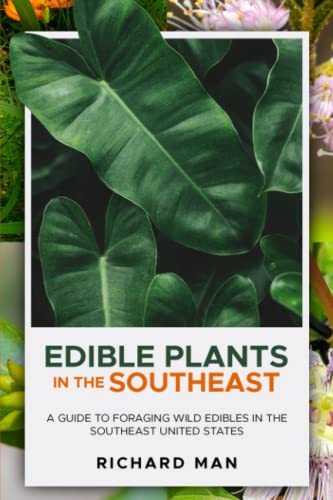

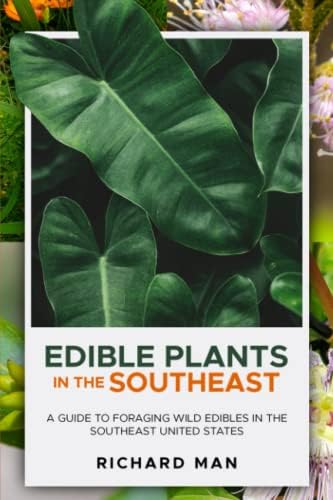
Edible Plants in the Southeast: A Guide to Foraging Wild Edibles in the Southeast United States (Off The Grid Living, Survival & Bushcraft)
| SELLER | SELLER SCORE | AMAZON FULFILLED | PRIME | FREE SHIPPING |
|---|---|---|---|---|
| Amazon.com | 9.68 | Yes | Yes | Yes |
Most foragers rely on generic, national guides that fail to capture the specific nuances of the Southern landscape, but this specialized manual changes the game. Instead of guessing which greenery is safe, you get a focused deep dive into the unique flora of the Southeast United States. It is an essential companion for anyone practicing bushcraft or off-the-grid living who wants to turn a simple hike into a productive foraging trip. The guide bridges the gap between basic survival and true wilderness proficiency by focusing on regional accuracy. Whether you are building a long-term homestead or just exploring the local woods, having this level of regional specificity makes the difference between a wasted afternoon and a successful harvest.


| SELLER | SELLER SCORE | AMAZON FULFILLED | PRIME | FREE SHIPPING |
|---|---|---|---|---|
| Amazon.com | 9.68 | Yes | Yes | Yes |


| SELLER | SELLER SCORE | AMAZON FULFILLED | PRIME | FREE SHIPPING |
|---|---|---|---|---|
| Amazon.com | 9.68 | Yes | Yes | Yes |

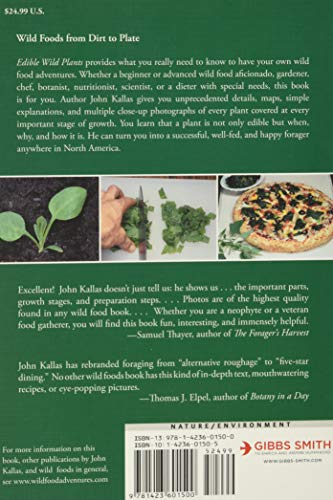


Edible Wild Plants: Wild Foods From Dirt To Plate (The Wild Food Adventure Series, Book 1)
| SELLER | SELLER SCORE | AMAZON FULFILLED | PRIME | FREE SHIPPING |
|---|---|---|---|---|
| Amazon.com | 9.68 | Yes | Yes | Yes |
Most foragers settle for basic grocery store greens, but Edible Wild Plants transforms a simple walk in the woods into a gourmet scavenger hunt. As the first entry in the Wild Food Adventure Series, this Gibbs Smith publication bridges the gap between raw nature and a finished meal. I found the concept of moving from 'dirt to plate' incredibly practical for anyone looking to deepen their connection to the land. Even though this specific copy is a used book, it remains in good condition and serves as a rugged, reliable companion for outdoor enthusiasts. It is much more than a dry botanical guide. It is an invitation to rediscover the edible treasures hiding in plain sight right under your feet.


| SELLER | SELLER SCORE | AMAZON FULFILLED | PRIME | FREE SHIPPING |
|---|---|---|---|---|
| Amazon.com | 9.68 | Yes | Yes | Yes |
| SELLER | SELLER SCORE | AMAZON FULFILLED | PRIME | FREE SHIPPING |
|---|---|---|---|---|
| Amazon.com | 9.68 | Yes | Yes | Yes |


| SELLER | SELLER SCORE | AMAZON FULFILLED | PRIME | FREE SHIPPING |
|---|---|---|---|---|
| Amazon.com | 9.68 | Yes | Yes | Yes |
| SELLER | SELLER SCORE | AMAZON FULFILLED | PRIME | FREE SHIPPING |
|---|---|---|---|---|
| Amazon.com | 9.68 | Yes | Yes | Yes |


Growing and Propagating Wild Flowers
| SELLER | SELLER SCORE | AMAZON FULFILLED | PRIME | FREE SHIPPING |
|---|---|---|---|---|
| Shakespeare Book House | 9.94 | Yes | Yes | Yes |
Can a single guidebook truly transform a barren backyard into a thriving, self-sustaining ecosystem? This resource from the University of North Carolina Press serves as a definitive manual for anyone looking to move beyond standard garden ornamentals and embrace the beauty of native species. I found the transition from simply planting to actively propagating wildflowers to be the most valuable aspect of the text. It doesn't just tell you what to buy. It teaches you how to cultivate life through proper native plant management. Whether you are a seasoned botanist or a hobbyist gardener, the depth of instruction on growing and multiplying these essential plants makes it an indispensable tool for ecological restoration in your own landscape.



| SELLER | SELLER SCORE | AMAZON FULFILLED | PRIME | FREE SHIPPING |
|---|---|---|---|---|
| Amazon.com | 9.68 | Yes | Yes | Yes |

| SELLER | SELLER SCORE | AMAZON FULFILLED | PRIME | FREE SHIPPING |
|---|---|---|---|---|
| Amazon.com | 9.68 | Yes | Yes | Yes |

| SELLER | SELLER SCORE | AMAZON FULFILLED | PRIME | FREE SHIPPING |
|---|---|---|---|---|
| Amazon.com | 9.68 | Yes | Yes | Yes |

Wildflowers of Texas Field Guide (Wildflower Identification Guides)
| SELLER | SELLER SCORE | AMAZON FULFILLED | PRIME | FREE SHIPPING |
|---|---|---|---|---|
| Amazon.com | 9.68 | Yes | Yes | Yes |
Every Texas hiker and nature enthusiast needs this specific field guide tucked into their backpack for weekend treks. This Adventure Publications guide serves as a reliable companion for anyone trying to decode the vibrant landscape of the Lone Star State. While this particular copy is a used book, it remains in good condition, making it an accessible way to build a botanical library without breaking the bank. It is much more than just a collection of names. It is a functional tool for identifying the diverse flora you encounter on the trail. Having a physical guide like this is far more practical than fumbling with a phone screen when you are deep in the brush and looking to learn.

The most important decision factor is the scope of the book's ecological focus. Wild gardening is not a monolith. It varies significantly depending on whether you are interested in meadow restoration, woodland gardening, or xeriscaping. Some books are broad surveys of native flora, while others are deep dives into specific niches. If you live in an arid climate, a general guide on temperate wildflowers might lead you to plant species that will struggle to survive without excessive irrigation. Look for books that emphasize 'bioregionalism'—the practice of choosing plants that are evolutionarily adapted to your specific latitude, altitude, and rainfall patterns.
A superior wild gardening book does more than provide a catalog of plants. It should explain the 'why' behind the 'what.' High-quality guides will delve into the concept of trophic levels—how your plant choices support specific insects, birds, and soil microbes. Look for content that covers soil health, fungal networks (mycorrhizae), and the importance of plant community dynamics. A book that only tells you how to plant a seed without explaining how that seed interacts with its neighbors is a hobbyist guide. A book that teaches you how to build a functional ecosystem is a professional resource.
Because wild gardening often involves distinguishing between native species and invasive look-alikes, the quality of the illustrations or photography is paramount. Avoid books that rely solely on stylized sketches if you are a beginner. You need high-resolution, detailed imagery that shows leaf arrangements, stem structures, and seasonal changes. Detailed botanical illustrations are often superior to photographs for identification purposes because they can highlight specific diagnostic features that a camera might blur. Ensure the book includes clear descriptions of growth habits—whether a plant is a creeping groundcover, a clump-forming perennial, or a woody shrub—so you can plan your garden's vertical structure.
The best resources bridge the gap between theory and dirt. When browsing, look for chapters dedicated to the practicalities of 'wilding' a space. This includes topics such as:
Quick answers about Wild Plant Gardening Books before you buy.
Share of top-ranked products by brand, from our editorial analysis.
We've carried out a comprehensive analysis of 296 reviews on Wild Plant Gardening Books, using our selection criteria to identify the best options in the crafts, hobbies & home. Our findings reveal that most customers typically select Wild Plant Gardening Books priced around $22.67, with top brands including gibbs smith, globe pequot, william morrow & company, cico books, university of north carolina press, minnesota historical society press and timber press and katio kadio.
Our team of expert editors reviewed these high-quality items and handpicked the top 14 Wild Plant Gardening Books for your consideration. We've also done extensive research on numerous sellers, identifying the best ones in the crafts, hobbies & home category — including and amazon.com and shakespeare book house.
We are dedicated to assisting our users in finding the right gardening Products based on their needs, saving them considerable time when choosing which Wild Plant Gardening Books to buy. We take pride in the number of satisfied users we've helped through our thorough and insightful reviews.
Compare the top 14 picks at a glance — select a column to sort.


