Prioritize Material Composition
The primary factor in determining both the longevity and the tonal quality of your chimes is the material used for the tubes. Aluminum is a popular choice for those seeking a bright, melodic, and long-lasting product, as it is resistant to corrosion and holds its pitch well over time. If you are looking for a deeper, more resonant, and 'earthy' sound, heavy-duty steel or copper tubes are superior. Copper, in particular, offers a rich, warm timbre that evolves beautifully as it patinas with age. Avoid lightweight plastics or thin alloys if you want a sound that carries. These often result in a 'clacking' noise rather than a musical tone.
Understanding Tonal Range and Tuning
Not all chimes are created equal in terms of musicality. Some are designed to produce random, percussive sounds, while others are precision-tuned to specific musical scales (such as Pentatonic or Major scales). If you intend to use your chimes for meditation or relaxation, look for sets that emphasize harmonic resonance. A set that is tuned to a specific scale will sound pleasant regardless of how the wind hits it, whereas untuned chimes can sometimes produce jarring, dissonant notes that disrupt rather than soothe. Consider whether you want a high-pitched, tinkling sound for a small balcony or a deep, booming bass for a large garden.
Consider Environmental Placement and Wind Sensitivity
Where you hang your chimes dictates the type of model you should purchase. If your space is sheltered—such as a covered patio or a porch—you will need a 'sensitive' chime. These models feature lightweight strikers and smaller tubes designed to react to even the slightest movement of air. Conversely, if you live in a coastal area or an open field with constant, heavy winds, you need a heavy-duty model. Robust chimes with thick tubes and heavy clappers are necessary to prevent the pieces from tangling or producing a chaotic, overwhelming noise during a storm.
Aesthetics and Durability of Hardware
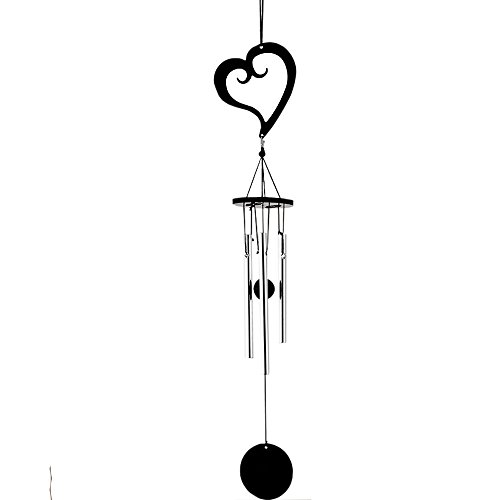
The visual element is just as important as the auditory one. The suspension system—including the strings, the central cord, and the top wind catcher—must be weather-resistant. Look for high-tensile strength cords or stainless steel chains that won't degrade under UV exposure or heavy rain. The 'wind catcher' (the piece at the bottom that catches the breeze) should be aerodynamically balanced to ensure the chimes rotate smoothly. Finally, consider the finish. Powder-coated metals or treated woods will hold their aesthetic appeal much longer than untreated materials that may crack or fade in direct sunlight.
Decision Logic Summary
When making your final selection, follow this hierarchy: First, define your sound preference (deep/bass vs. bright/treble). Second, assess your wind environment (sheltered vs. exposed). Third, select a material that matches your maintenance preference (low-maintenance aluminum vs. high-character copper). By matching the physical weight of the chime to the local wind speed, you ensure a musical experience that remains consistent across all seasons.