Understanding Film Types and Material Composition
The first decision you must make is choosing the material technology that matches your primary goal. Most films fall into three distinct categories: dyed, metallic, and ceramic. Dyed films are the most budget-friendly option. They work primarily by darkening the glass to reduce glare and provide basic privacy. While effective for aesthetics, they offer limited heat rejection and can sometimes fade over several years. Metallic films use microscopic layers of metal to reflect solar energy away from the window. These are excellent for heat reduction but can interfere with cellular or radio signals due to their conductive properties. For those seeking the gold standard, ceramic films are the premium choice. They utilize nano-ceramic particles to block infrared light (the heat you feel) and UV rays without the dark, mirrored look of metallic films or the signal interference of older technologies. Ceramic films allow for high clarity while maintaining exceptional thermal performance.
Heat Rejection vs. Light Transmission
When comparing technical specifications, do not be misled by darkness alone. A film can look very dark but still allow significant heat to pass through. You must look for two specific metrics: Total Solar Energy Rejection (TSER) and Visible Light Transmission (VLT). TSER is the most accurate measure of how much heat the film actually blocks from entering the room. A higher percentage indicates better insulation. VLT refers to how much light passes through the film. If you want a bright room with just a hint of tint, look for a high VLT (70% or above). If you are trying to combat intense glare in a home theater or office, a lower VLT (15% to 35%) is preferable. Balancing these two numbers is the key to achieving a comfortable indoor climate without living in a cave.
Privacy and Decorative Applications
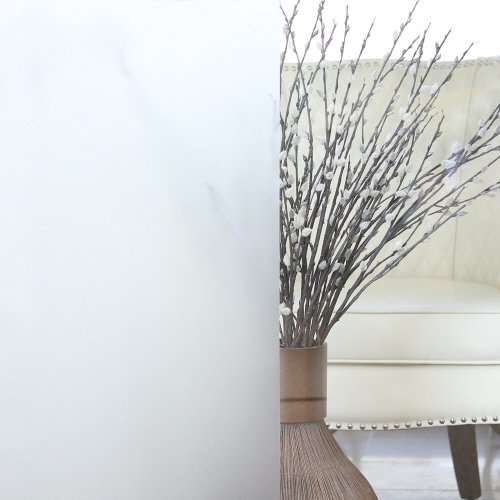
If your primary motivation is privacy rather than temperature control, you should look toward decorative or frosted films. Unlike tinting films that rely on darkness, decorative films use patterns, textures, or frosted finishes to obscure vision while still allowing diffused light to enter. These are ideal for bathroom windows, glass partitions in offices, or front doors. When selecting a decorative film, consider the 'opacity' level. A frosted film provides high privacy but can make a room feel slightly more enclosed, whereas a patterned film can add an architectural element to your decor without sacrificing as much natural light.
Installation Method: Static Cling vs. Adhesive
The method of application will dictate how permanent the solution is. Static cling films are non-adhesive and rely on tension and water to stay in place. These are perfect for renters or those who want to experiment with different looks, as they can be peeled off and reused without leaving a sticky residue. However, they are generally less durable and more prone to peeling at the edges over time. Adhesive-backed films are applied using a professional-grade pressure-sensitive adhesive. These are much more durable, offer better edge-to-edge contact, and are less likely to bubble or lift. If you are looking for a permanent solution to reduce energy bills, adhesive films are the superior choice, though they require a much cleaner, more meticulous installation process to avoid trapping dust or air bubbles.