1. Determine the Desired Silhouette and Style
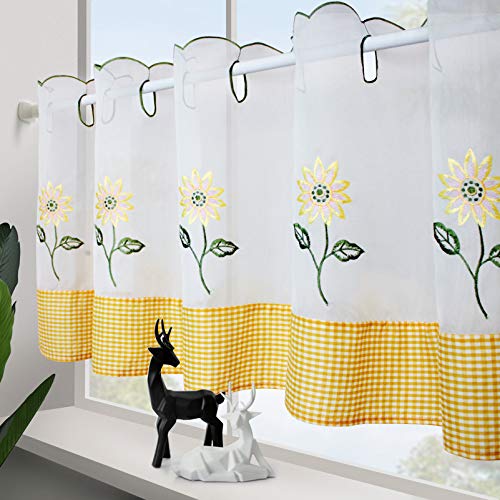
The first decision in selecting a valance is deciding on the 'shape' of the fabric. Valances are not one-size-fits-all. They dictate the mood of the entire room. For a relaxed, breezy, or farmhouse feel, look for café-style or gathered valances. These use lightweight fabrics that create soft, organic folds. If you are aiming for a formal or luxury aesthetic, prioritize tailored or pleated valances. These have more structure and hold their shape, making them ideal for dining rooms or formal living areas. For those seeking a contemporary, clean look, box pleat or straight-edge valances offer a streamlined silhouette that doesn't add unnecessary visual bulk to the window frame.
2. Evaluate Fabric Weight and Light Control
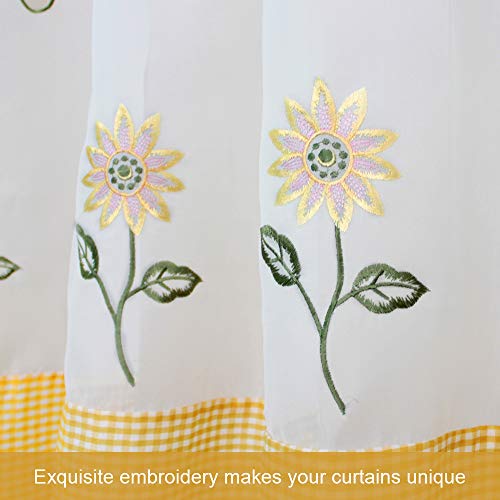
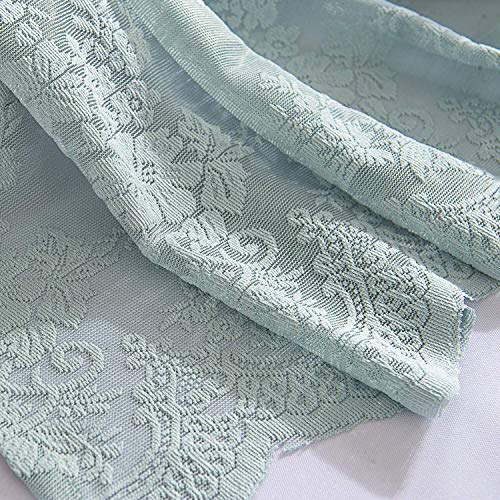
Because valances sit at the top of the window, they play a unique role in light management. Unlike full-length curtains, they don't provide privacy, but they do influence how light enters the room. Sheer fabrics, such as voile or light linen, are excellent for adding texture without darkening the space, making them perfect for kitchens or sunrooms. Conversely, if your goal is to hide a heavy curtain rod or provide a sense of enclosure, opt for heavyweight fabrics like velvet, jacquard, or thick polyester blends. These fabrics offer a more substantial 'drape' and prevent the valance from looking limp or cheap.
3. Mounting Methods and Hardware Compatibility
One of the most common mistakes in e-commerce shopping is overlooking how the valance will actually attach to the wall or rod. Pay close attention to the construction: Rod Pocket valances are the easiest to install as they slide directly onto a standard curtain rod, but they can sometimes look a bit 'bunched.' Tab Top valances offer a more decorative, structured look by using fabric loops. If you want a high-end, custom-made appearance, look for valances designed for wrap-around rods or rings. Additionally, consider the width of your existing hardware. Ensure the valance opening is wide enough to accommodate your rod without tension that might cause the fabric to sag over time.
4. Scaling and Proportions
A valance that is too narrow will look like an afterthought, while one that is too wide can overwhelm a small window. As a rule of thumb, a valance should ideally extend 3 to 6 inches beyond the width of the window frame on both sides. This creates a sense of breadth and makes the window appear larger. When shopping online, always check the dimensions provided in the product description rather than relying on the lifestyle photos, as professional photography often uses oversized fabrics to create a more dramatic effect than what is standard for residential use.
5. Maintenance and Longevity
Finally, consider the placement of the window. A valance in a kitchen will face steam and grease, while one in a bedroom might face dust and sunlight. For high-traffic or high-moisture areas, prioritize synthetic blends or treated polyesters that are machine washable. For formal spaces where you want to maintain a crisp, pressed look, natural fibers like cotton or silk are beautiful but will require more frequent steaming or professional dry cleaning to prevent them from looking wrinkled and neglected.