Prioritize Fabric Weight and Drape
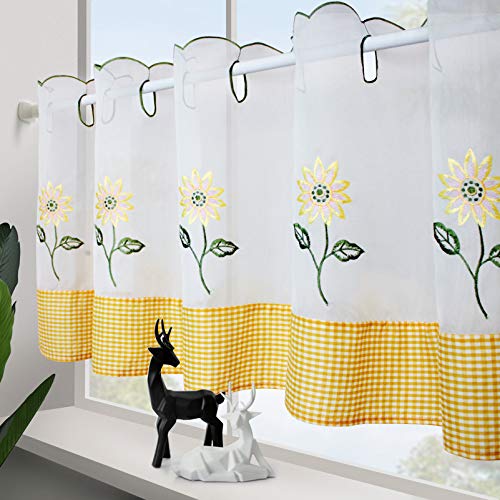
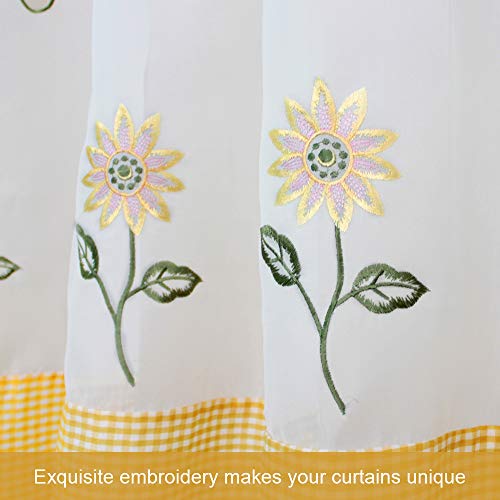
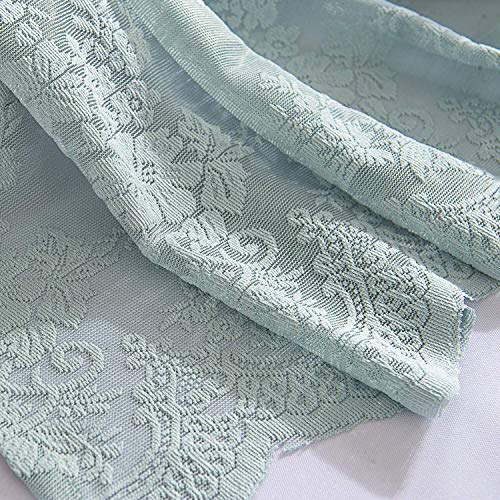
The most critical factor in selecting a valance is the material's 'hand'—how it hangs and moves. For a formal, sophisticated look in a dining room or master bedroom, look for heavier fabrics like velvet, thick linen blends, or brocade. These materials hold structured folds well and provide a sense of luxury. Conversely, if you are decorating a kitchen or a sunroom, lightweight materials like sheer voile, cotton lace, or light linen are preferable. These allow natural light to filter through while providing a breezy, casual aesthetic. Avoid fabrics that appear too thin or 'stiff' in product photography, as they can often look cheap once hung and may fail to create the elegant ripples desired in a window treatment.
Understand Mounting and Header Styles
How a valance attaches to your window determines its visual silhouette. There are three primary styles to consider:
1. **Rod Pocket Valances:** These feature a sewn sleeve that a curtain rod slides directly through. This creates a soft, gathered look, but requires a thinner rod.
2. **Tab Top Valances:** These use fabric loops to hang from the rod, offering a more structured and modern appearance.
3. **Tailored or Pleated Valances:** These are often designed to work with rings or clips. They provide a much more formal, high-end appearance and are ideal if you want to hide a bulky mounting bracket.
When choosing, consider your existing hardware. If you have a heavy decorative rod, a rod-pocket style might sag. In that case, a clip-on or pleated style is a superior choice.
Mastering Dimensions and Fullness
One of the most common mistakes in e-commerce shopping is ordering a valance that is too narrow, resulting in a flat, stretched appearance. A valance should never be the exact width of your window. To achieve the professional, lush look seen in interior design catalogs, you must account for 'fullness.' A general rule of thumb is to select a valance that is 1.5 to 2.5 times the width of the window area you wish to cover. If you are buying a pre-sewn piece, check the measurements carefully. If the valance is intended to cover a curtain rod, ensure the width accounts for the rod's extension beyond the window frame. Additionally, consider the 'drop'—the vertical length of the fabric. A drop that is too short can look accidental, while a drop that is too long may interfere with windowsill decor or furniture.
Color Accuracy and Pattern Scale
Since you cannot touch the fabric through a screen, pay close attention to the lighting in product photos. A 'cream' valance can easily lean toward 'yellow' or 'grey' depending on the digital rendering. Look for reviews that mention color fidelity. Furthermore, consider the scale of the pattern. Large, bold floral or geometric prints can dominate a small window, making the room feel cramped. For smaller windows or more subdued rooms, opt for micro-patterns, textures, or solid colors to maintain a sense of balance and spatial harmony.