Understanding Blade Construction: Beam vs. Conventional
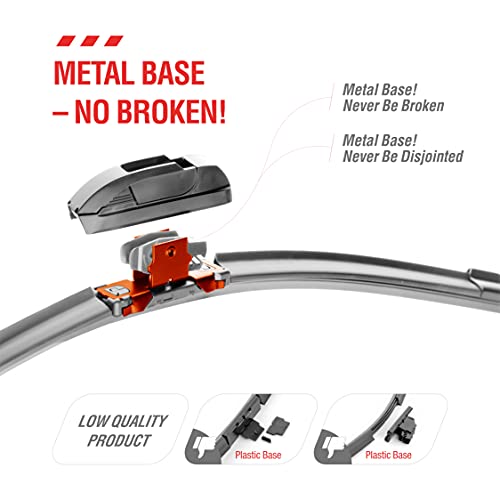
The first decision factor when selecting berg regen blades is the structural design. Traditional frame-style blades use a metal skeleton to apply pressure, which can sometimes struggle with uneven wind lift at highway speeds. However, the premium iterations in the regen series often utilize a beam-style construction. Beam blades eliminate the external metal framework, using a continuous, flexible tension spring to ensure the rubber edge stays in constant contact with the glass. This is particularly important for drivers in windy conditions or those who frequently drive on highways, as the aerodynamic profile prevents the 'lift' that causes skipping and chatter.
Material Composition and Weather Resistance
The longevity of a wiper blade is dictated by the quality of its rubber compound. Since the regen series is designed for high-moisture performance, look for blades that utilize high-grade synthetic rubber or silicone-infused compounds. Silicone-treated blades are often superior for long-term durability because they leave a thin, water-repellent layer on the glass, which helps water bead and roll off more quickly. When evaluating your options, consider your local climate. If you live in an area with extreme temperature fluctuations—intense summer heat followed by freezing winters—ensure the blade material is rated for thermal stability to prevent cracking and hardening.
Attachment Mechanisms and Fitment Accuracy
One of the most common mistakes in purchasing replacement blades is overlooking the wiper arm connection. Vehicles use a variety of mounting systems, ranging from standard J-hooks to specialized side-pin or pinch-tab attachments. The berg regen series typically offers multiple adapter kits to accommodate these different styles. Before finalizing your purchase, identify your vehicle's specific arm type. A blade that is close in size but uses an incorrect mounting mechanism will never apply the necessary downward force, leading to poor wiping performance and increased noise.
Sizing and Aerodynamic Efficiency
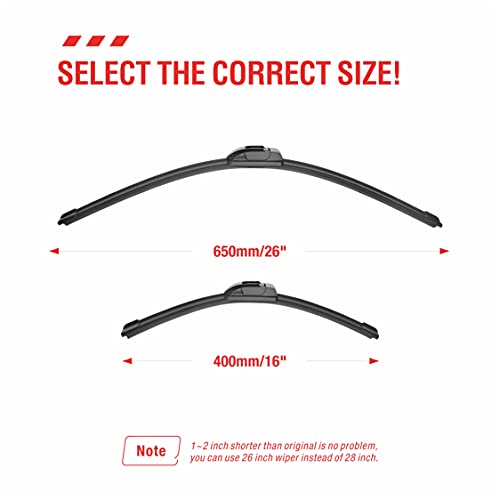
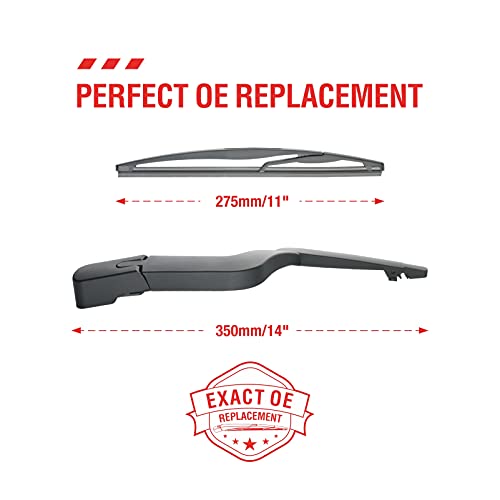
Do not assume that all blades on your vehicle are the same length. Most windshields require a driver-side blade, a passenger-side blade, and occasionally a smaller rear blade, all of which may have different measurements. Using the correct length is critical. A blade that is too long may overlap the edges of the wiper arm or hit the A-pillar, while a blade that is too short will leave uncleaned sections of the glass. Look for blades that feature integrated spoilers or aerodynamic shapes. These design elements use the airflow passing over the vehicle to push the blade harder against the windshield, ensuring a clean sweep even during high-speed driving in heavy rain.
Maintenance and Replacement Cycles
Even the highest quality berg regen blades will eventually degrade due to UV exposure and road debris. A good rule of thumb is to inspect your blades every six months. If you notice fine lines of water left behind, a 'chattering' sound during operation, or visible tearing in the rubber edge, it is time for a replacement. Keeping your windshield clean with a dedicated glass cleaner will also extend the life of your new blades by reducing the friction and grit that wears down the rubber surface.