Understanding Transmission Technology and Frequency
The core of any wireless microphone system is how it sends sound from the transmitter to the receiver. When evaluating these systems, you must look at the frequency band they utilize. Most modern portable systems operate on the 2.4GHz band, which is excellent for short-range, high-quality digital transmission. However, because this band is shared with Wi-Fi and Bluetooth, you should look for systems that feature advanced frequency-hopping technology. This allows the microphone to automatically switch to a cleaner channel if it detects interference from nearby routers. If you plan to use your microphone in crowded environments like convention centers or busy urban streets, signal stability is your top priority. A system that maintains a consistent connection without 'dropouts' is far more valuable than one that simply offers high volume.
Microphone Configuration: Lavalier vs. Handheld
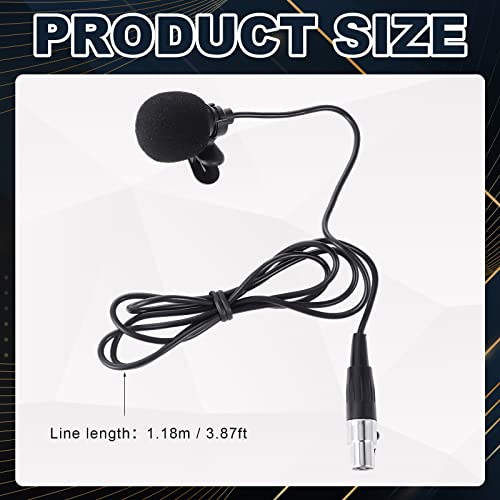
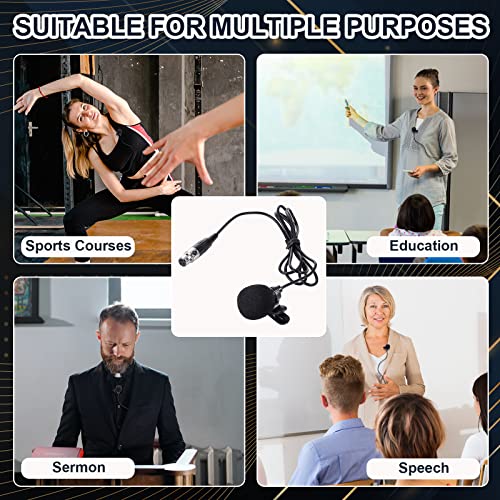
The form factor of the microphone dictates its intended use case. Most Wenwen systems are optimized for lavalier (clip-on) configurations. These are ideal for vloggers, presenters, and interviewers who need their hands free to demonstrate products or use gestures. These systems typically consist of a small transmitter that clips to clothing and a compact receiver that plugs directly into a smartphone, camera, or laptop. On the other hand, if your goal is public speaking or hosting live events, you might look for systems that support handheld transmitter modules. The decision should be based on your movement: if you are stationary or performing tasks, a discreet lavalier is best. If you are engaging an audience through vocal projection and physical presence, a handheld style provides better handling and acoustic isolation.
Compatibility and Connectivity Options
Before purchasing, you must audit your existing gear. A wireless microphone system is useless if it cannot talk to your recording device. Look for systems that offer multi-platform compatibility. High-end kits often include interchangeable connectors, such as USB-C for modern smartphones and laptops, Lightning for older iOS devices, and 3.5mm TRS/TRRS jacks for DSLR cameras and dedicated audio recorders. A versatile system that can transition from a smartphone setup for TikTok to a professional camera setup for long-form video is a much smarter investment. Furthermore, check if the system supports direct digital output, which bypasses the noisy analog preamps of some devices, resulting in a much cleaner signal-to-noise ratio.
Battery Life and Portability
For creators on the move, battery anxiety is a real concern. When comparing systems, do not just look at the battery life of the individual transmitter. Look at the total 'on-the-go' time. Some systems feature integrated charging cases, similar to wireless earbuds, which can recharge your microphones while they are stored in your bag. This is a game-changer for full-day shoots. Aim for a system where the individual units can last at least 5 to 7 hours on a single charge. Additionally, consider the physical footprint. A system that is too bulky will be cumbersome to mount on a small mirrorless camera or a mobile gimbal, so prioritize lightweight, compact designs that don't disrupt your equipment's balance.
Noise Cancellation and Audio Fidelity
Finally, evaluate the onboard processing capabilities. Many modern wireless systems now include intelligent noise reduction algorithms. These are designed to identify and suppress ambient sounds—like wind, traffic, or air conditioning hum—while isolating the human voice. While this is incredibly helpful in uncontrolled environments, ensure the system allows you to adjust the intensity of this noise reduction. Over-processing can lead to 'robotic' sounding audio, so a system with adjustable gain or customizable noise suppression levels offers the best professional control.