Understanding Fabric Technology: The Core Decision Factor
The most critical mistake a shopper can make is treating all leggings as equal. In the lululemon ecosystem, the fabric determines the activity. The first thing you must identify is your primary movement pattern. For high-impact activities like sprinting or heavy lifting, you need fabrics that offer high compression and moisture-wicking capabilities. These materials are designed to stay in place, preventing the dreaded 'slide down' effect during squats or jumps.
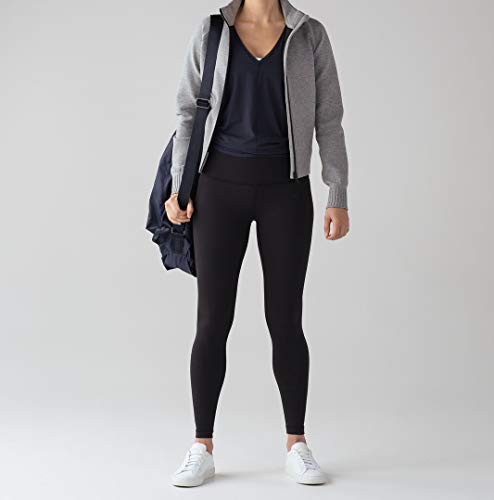
Conversely, for low-impact activities like yoga or Pilates, you should prioritize 'buttery-soft' sensations. These fabrics are engineered with a high degree of four-way stretch, allowing for unrestricted mobility without the restrictive feeling of heavy compression. If you are looking for something for everyday lifestyle wear, look for fabrics that balance softness with a bit of structure to ensure they don't become sheer or lose their shape after a few hours of wear.
Compression vs. Comfort: Finding Your Fit
Compression levels are a spectrum. High-compression leggings feel like a second skin that holds everything in place. They are excellent for muscle support during intense workouts but can feel overwhelming during a relaxation session. Medium compression is the versatile middle ground, suitable for gym sessions and errands alike. Low compression, often found in their most relaxed styles, focuses on comfort and breathability.
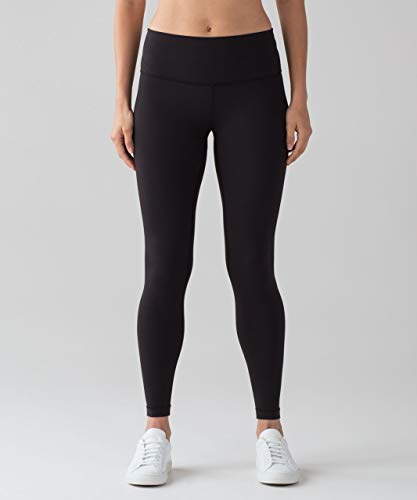
When evaluating fit, pay close attention to the waistband construction. A high-rise waistband provides more coverage and security during bending and twisting, which is vital for yoga practitioners. A mid-rise waistband may feel more natural for runners who prefer less pressure around the abdomen. Always consider how the waistband interacts with your torso length to ensure it stays secure throughout your entire range of motion.
Inseam Length and Coverage Preferences
Legging length is more than just a stylistic choice. It affects how the garment performs. Full-length leggings are ideal for cooler environments or for those who prefer complete coverage. However, many athletes prefer 7/8 length, which hits just above the ankle, providing a modern silhouette and preventing fabric from bunching at the bottom. If you find yourself in warmer climates or high-heat environments, consider capri or bike short lengths to maximize airflow and prevent overheating.
Durability and Maintenance
Because these are technical garments, the longevity of your investment depends on how you treat the fibers. High-performance synthetic blends are designed to withstand sweat and frequent washing, but they are sensitive to heat. To maintain the elasticity and the 'hand-feel' of the fabric, avoid fabric softeners, which can clog the technical pores of the material and ruin the moisture-wicking properties. Always air dry or use a low-heat setting to prevent the breakdown of the elastane fibers that provide the stretch and recovery.