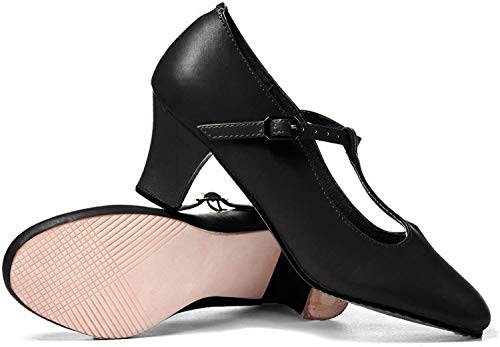
Understanding Material and Texture
The primary decision factor in ballet footwear is the material of the upper. Most theatricals shoes come in two main varieties: canvas and satin. Canvas shoes are the workhorses of the dance studio. They are breathable, provide excellent grip for floor work, and tend to mold to the shape of the foot over time. These are ideal for beginners and daily rehearsals where durability is paramount. Satin shoes, on the other hand, are the standard for performance. They offer a beautiful, lustrous sheen under stage lights and provide a more formal aesthetic. However, satin can be slippery and requires more careful maintenance to prevent snagging or staining. When choosing, consider your primary environment: if you are training intensely, prioritize canvas. If you are performing a recital, opt for satin.
Toe Construction and Support
The anatomy of the shoe's toe is critical for both safety and technique. For soft ballet slippers, you will encounter different levels of reinforcement. Some shoes feature a reinforced toe box that provides a structured silhouette, which is helpful for dancers working on their line and foot shape. Others are completely soft, allowing for maximum flexibility and a 'second skin' feel. If you are a student learning to articulate your metatarsals, a slightly more structured shoe can provide the necessary feedback. Conversely, advanced dancers often prefer a minimal construction that allows for total freedom of movement. Always ensure the toe area does not pinch the tips of your toes, as this can cause bruising during repetitive movements like relevé.
Fit, Sizing, and Arch Support
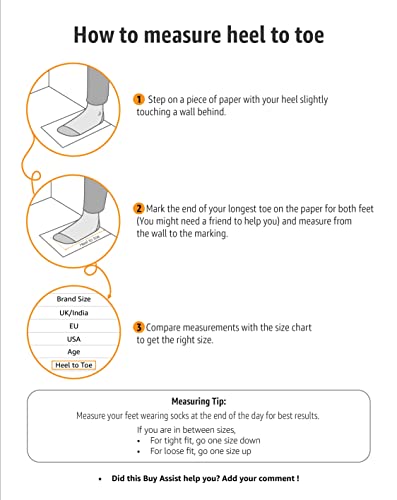
A ballet shoe should fit like a glove—not too tight to restrict blood flow, but not so loose that your foot slides inside the shoe. A loose fit is particularly dangerous, as it can cause blisters and prevent you from feeling the floor accurately. When testing the fit, pay close attention to the heel. There should be no gaping at the back of the heel, but you should not feel intense pressure on your Achilles tendon. Furthermore, consider the width of the shoe. Many dancers find that standard widths are too narrow, leading to discomfort in the pinky toe. Look for brands that offer varied width options to ensure the shoe wraps around the foot evenly, providing a balanced platform for jumps and turns.
Sole Flexibility and Purpose
The sole of the shoe dictates how you interact with the dance floor. Most theatricals slippers feature a split-sole design, which is highly recommended for dancers who require maximum articulation. A split sole allows the arch to flex deeply, making it easier to execute pointed toes and controlled transitions. Full-sole shoes provide more stability and are often preferred by younger dancers or those performing specific rhythmic styles where a solid base is required. Before purchasing, evaluate your dance style: if you are focusing on contemporary ballet or lyrical movements that require extreme foot flexibility, a split sole is your best investment.