Material Composition and Durability
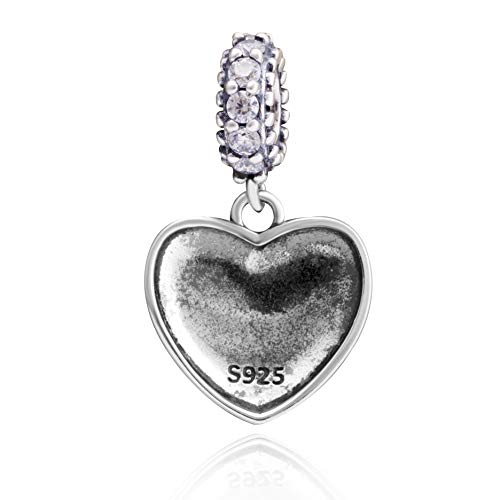
The most critical factor when selecting charms is the base material. Because jewelry is frequently exposed to skin oils, moisture, and environmental elements, the metal composition determines whether a charm will stay lustrous or turn green within days. Look for charms plated in high-quality metals such as gold, silver, or rose gold over a stable base like stainless steel or sterling silver. If you are designing pieces for daily wear, prioritize hypoallergenic materials to prevent skin irritation. For those working with glass or resin beads, ensure the bail (the loop that connects the charm to the string) is sturdy enough to handle the weight without bending or snapping.
Aesthetic Cohesion and Theme
Charms are rarely used in isolation. They are part of a larger visual narrative. When shopping, consider the 'theme' of your collection. Are you aiming for a celestial vibe with moons and stars, or a nature-inspired look with leaves and floral motifs? A common mistake is purchasing a mismatched assortment of charms that lack a unifying color palette or style. To achieve a professional look, select charms that share a similar finish—for example, mixing matte textures with high-polish metals can create a sophisticated contrast, but mixing different metal tones (like bright yellow gold with aged antique bronze) can sometimes look cluttered if not done with specific intent.
Size Proportions and Weight
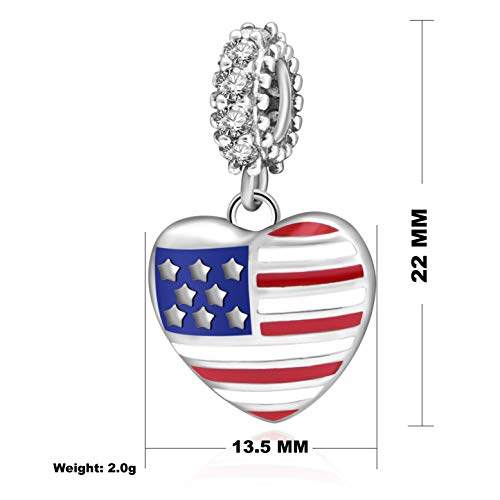
Scale is everything in jewelry design. A charm that is too large can overwhelm delicate seed beads, making the piece look heavy and unbalanced. Conversely, tiny charms can get lost in a chunky statement necklace. When evaluating charms, pay close attention to the millimeter measurements. A good rule of thumb is to choose a charm that is slightly larger than your primary beads to ensure it acts as a visual anchor. Additionally, consider the weight. If you are using lightweight nylon thread or thin silk cord, heavy metal charms may cause the jewelry to sag or the cord to fray over time. Match the weight of the charm to the strength of your stringing material.
Attachment Style and Versatility
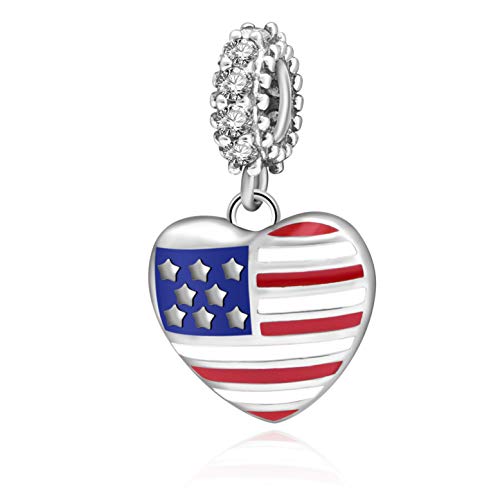
Not all charms are attached in the same way. Some feature a closed loop, meaning they must be slid onto a cord during the assembly process. Others feature an open jump ring, allowing you to add or remove them from finished pieces easily. If you enjoy creating modular jewelry that allows the wearer to swap charms in and out, look for charms with versatile attachment points. For permanent, high-security designs, closed loops are preferable as they prevent the charm from accidentally sliding off the end of a bracelet or necklace.
The Importance of Finish and Detail
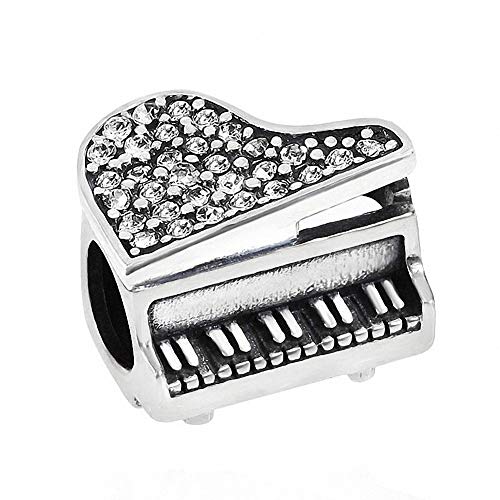
Finally, inspect the level of detail. High-quality charms should have clean edges and intricate engravings. Avoid charms with visible casting seams or rough edges that could snag on clothing or skin. A well-crafted charm should feel substantial and have a smooth, consistent finish that catches the light evenly. Investing in charms with superior craftsmanship ensures that your finished jewelry pieces look like professional boutique items rather than DIY crafts.