Prioritize Fabric Composition and Weight
The longevity and drape of a blazer are dictated almost entirely by its material. For professional environments, look for natural fibers like wool or wool blends. Wool is breathable, temperature-regulating, and holds its shape exceptionally well, making it the gold standard for structured tailoring. If you are seeking a summer-weight option, linen or lightweight cotton blends offer breathability, though be prepared for the characteristic wrinkling that comes with natural plant fibers. For a more formal, evening-ready look, velvet or heavy crepe can provide a luxurious texture. Avoid high percentages of cheap synthetic fibers like low-grade polyester, as these often lack breathability and can develop a synthetic sheen over time, which detracts from a premium appearance.
Analyze the Silhouette and Cut
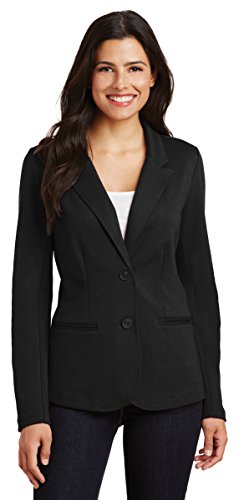
The 'cut' of a blazer determines how it interacts with your body shape. There are three primary silhouettes to consider: the tailored fit, the oversized/boyfriend fit, and the cropped fit. A tailored blazer is designed to follow the natural lines of your waist and hips, making it ideal for formal business settings. An oversized blazer offers a contemporary, fashion-forward aesthetic that leans into comfort and street style. However, ensure the shoulders are still well-defined so the garment looks intentional rather than ill-fitting. Cropped blazers are excellent for pairing with high-waisted trousers or skirts, as they help elongate the legs and prevent the fabric from overwhelming a smaller frame.
The Importance of Construction Details
When evaluating a blazer, look closely at the construction. The shoulders are the most critical area. The seam should sit precisely where your natural shoulder ends. If the shoulder padding is too heavy, the blazer may look dated. If it is non-existent, the garment may lose its structure. Pay attention to the lapels as well—notched lapels are the most versatile and classic, while peak lapels offer a more assertive, formal vibe. Furthermore, check the lining. A fully lined blazer will glide easily over other clothing and maintain its shape, whereas unlined or partially lined blazers are lighter and more casual but may lose their structural integrity over time.
Functionality and Versatility
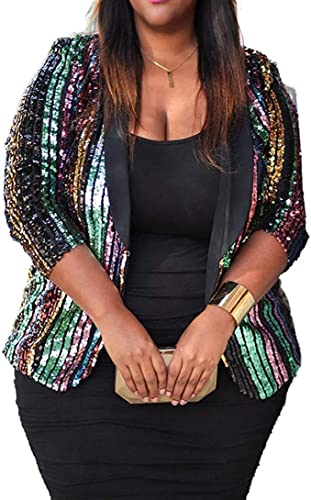
Before finalizing your choice, consider the utility of the piece. Does it feature functional pockets, or are they merely decorative? Real pockets add a layer of practicality, though they can sometimes create bulk if the fabric is too thin. Consider the button configuration as well: single-breasted blazers are the most versatile for daily wear, while double-breasted styles offer a more commanding, traditional presence. To maximize your investment, choose a color palette that complements your existing wardrobe. Neutral tones like navy, charcoal, black, and camel are foundational, while jewel tones or subtle patterns like houndstooth can serve as statement pieces that elevate your style profile.