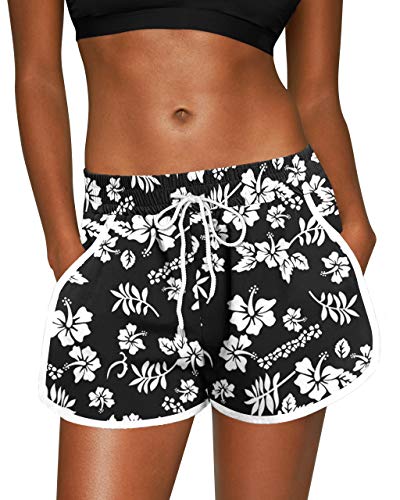
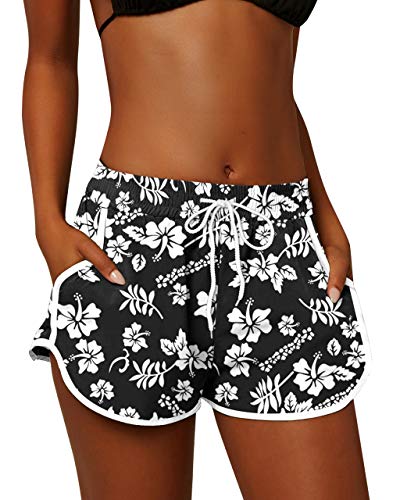
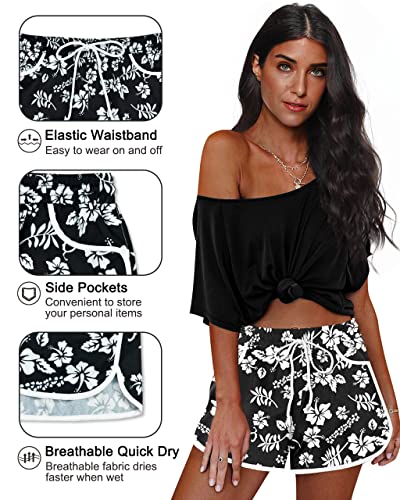
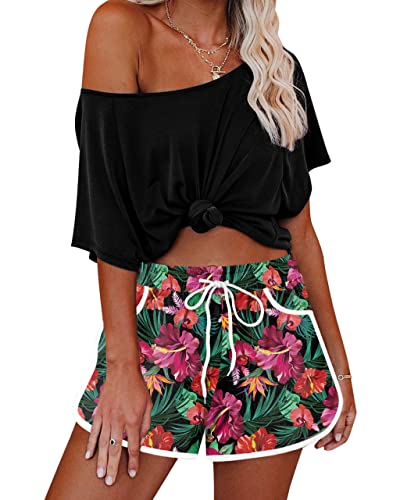
Prioritize Fabric Composition and Quick-Dry Technology
The most critical factor in selecting board shorts is the textile. You want to avoid heavy, cotton-based materials that absorb water, become heavy, and take hours to dry. Instead, look for high-performance synthetic blends, typically involving nylon or polyester mixed with spandex (elastane). A high percentage of spandex is vital because it provides the four-way stretch necessary for deep lunges, paddling, and sitting on a surfboard without the fabric digging into your hips. Additionally, look for 'quick-dry' labels. High-quality board shorts are engineered to shed water rapidly, preventing that uncomfortable, heavy, chafing sensation that occurs when wet fabric clings to the skin.
Evaluate the Waistband and Closure System
The waistband determines whether your shorts stay in place during a wipeout or a vigorous swim. There are generally three types of closures to consider: drawstring, elastic, and hybrid. A drawstring waistband combined with an elasticized waist is often the gold standard for active users, as it allows you to customize the tension to your specific waist measurements. Avoid shorts that rely solely on a thin elastic band without a drawstring, as these can easily slip down when wet. For those who prefer a more streamlined, low-profile fit for surfing, a flat-front waistband with a side lace or internal drawstring offers a sleek look without adding bulk under a rash guard.
Consider Length and Coverage Needs
Board shorts come in various inseams, and your choice should be dictated by your activity level and personal comfort. Short-cut board shorts (often referred to as 'boy shorts' or 'shorty' styles) offer maximum freedom of movement for high-intensity activities like surfing but provide less protection against chafing. Mid-length shorts are the most versatile, hitting at the upper thigh and offering a balance of coverage and mobility. If you are prone to skin irritation from wetsuits or are concerned about sun exposure on your upper thighs, longer lengths that approach the knee are preferable. Always check the side slit specifications. A small slit at the hem can significantly increase your range of motion during leg movements.
Durability and UV Protection
Since board shorts are frequently exposed to harsh saltwater, chlorine, and intense sunlight, durability is non-negotiable. Look for reinforced stitching, particularly around the crotch and waistband, to prevent seam failure. Furthermore, a major functional advantage of high-quality board shorts is their UPF (Ultraviolet Protection Factor) rating. Selecting shorts with a built-in UPF 50+ rating provides a physical barrier against harmful UV rays, which is much more reliable than sunscreen alone, especially when you are spending hours in the water where sunlight reflects off the surface.
The Importance of Liner and Comfort
Some board shorts come with an integrated mesh liner, while others are designed to be worn over a bikini bottom or a swimsuit. If you prefer the 'all-in-one' feel, ensure the liner is soft and non-abrasive to prevent 'mesh rash.' If you prefer wearing your own swimwear underneath, look for shorts with a slightly wider leg opening to ensure they don't feel restrictive or cause bunching when you move.