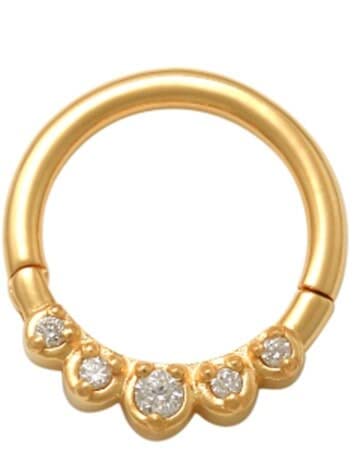
Prioritize Biocompatible Materials
The most important factor when selecting any piercing jewelry is the material composition. Because barbells sit inside a wound—even a healed one—the metal must be non-reactive. When browsing Zahaav options, look specifically for high-grade materials such as surgical stainless steel or titanium. Surgical steel is a reliable standard for its durability and resistance to tarnishing, but for those with extreme sensitivities or those navigating the healing phase of a new piercing, titanium is often the gold standard due to its lightweight nature and superior biocompatibility. Avoid mystery metals or plated alloys that lack clear material declarations, as these can lead to skin discoloration, allergic reactions, or localized swelling.
Understand Bar Length and Gauge
A barbell is defined by two primary measurements: the gauge (thickness) and the length. Choosing the wrong gauge can cause unnecessary trauma to the tissue, while the wrong length can lead to 'embedding,' where the jewelry sinks into the skin, or 'migration,' where the jewelry becomes too loose and moves around excessively.
If you are purchasing jewelry for a fresh piercing, always opt for a slightly longer barbell to accommodate the natural swelling that occurs in the first few weeks. Once the site is fully healed, you can transition to a shorter, more snug-fitting bar for a cleaner look. Always verify your piercing's gauge requirements before ordering. Most standard ear piercings use a 20G or 18G, while more robust piercings like industrial bars may require a thicker 14G or 12G.
Evaluate End Styles and Aesthetics
The 'ends' of the barbell are where the personality of the piece shines. Zahaav jewelry offers a variety of finishes, from minimalist polished spheres to intricate, gemstone-encrusted decorative tops. For a professional or understated look, choose simple ball-end barbells. If you want to draw attention to the piercing, look for barbells featuring cubic zirconia, marquise-cut stones, or unique geometric shapes. Consider the attachment method as well: internally threaded barbells are generally preferred by professional piercers because they are smoother and less likely to catch on clothing or hair during the insertion process.
Consider the Use Case: Placement Matters
Not all barbells are created equal across different body parts. A barbell intended for a septum piercing requires a different curvature and weight distribution than one intended for a lip or eyebrow piercing. For facial piercings, look for lightweight designs to prevent the weight of the jewelry from pulling on the piercing site. For ear piercings, such as cartilage or tragus, ensure the bar is smooth and the ends are securely seated to prevent snagging. By matching the specific design of the barbell to the anatomical needs of your piercing location, you ensure both maximum comfort and a sophisticated aesthetic.