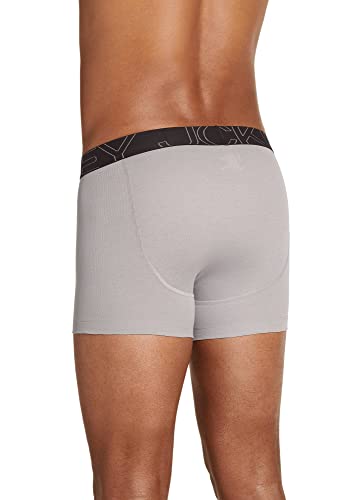
Prioritize Fabric Composition and Breathability
The most important decision you will make is selecting the right material. For daily wear, natural fibers like long-staple cotton are the gold standard because they are inherently breathable and hypoallergenic, making them ideal for preventing irritation. However, 100% cotton lacks the elasticity required for a modern fit. Look for 'cotton-stretch' blends, which typically incorporate a small percentage of elastane or spandex. This ensures the briefs retain their shape throughout the day without sagging. If you are active or live in a humid climate, consider moisture-wicking synthetic blends or microfibers that pull sweat away from the skin. For those with extreme skin sensitivities, seek out bamboo viscose, which offers a silkier texture and natural antimicrobial properties.
Understand the Geometry of the Cut
The 'brief' category is surprisingly diverse in its silhouette. Your choice should be dictated by your body type and the clothing you intend to wear underneath.
High-Waisted Briefs
These are excellent for those seeking extra abdominal coverage or a gentle smoothing effect under tighter garments. They provide a secure feeling and are often preferred for all-day comfort as they sit higher on the natural waistline.
Standard/Classic Briefs
These offer a mid-rise fit that sits comfortably on the hips. They are the most versatile option for everyday use, providing a balanced amount of coverage without feeling restrictive.
Low-Rise Briefs
Best suited for low-cut jeans or skirts, these sit lower on the hip bones. While they offer less coverage, they are ideal for preventing the waistband from peeking out above your clothing line.
Evaluate Seam Construction and Edge Finishing
A common failure in lower-quality briefs is the presence of thick, abrasive seams that cause 'digging' or visible lines under clothing. When shopping, look for 'seamless' construction or 'laser-cut' edges. Laser-cut edges are particularly effective for wearing under leggings or silk dresses, as they lie completely flat against the skin. If you prefer traditional seams, ensure they are flat-locked. This technique lays the seam flat to prevent chafing. Additionally, pay attention to the gusset—the crotch lining. High-quality briefs will almost always feature a multi-layered cotton gusset to ensure hygiene and breathability, regardless of what the outer fabric is made of.
The Elasticity and Waistband Test
The waistband is the primary point of failure for most briefs. A waistband that is too tight will create a 'muffin top' effect and cause discomfort after a meal, while one that is too loose will slide down throughout the day. Look for wide, encased elastic waistbands which distribute pressure more evenly across the skin than thin, exposed elastic bands. If the product description mentions 'stay-put' technology or a soft-touch waistband, it is a sign that the manufacturer has prioritized the structural integrity of the garment's fit.