Defining Your Collar Silhouette
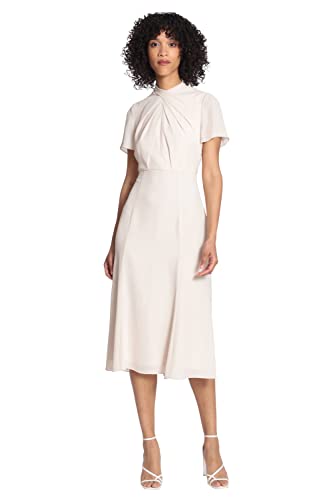
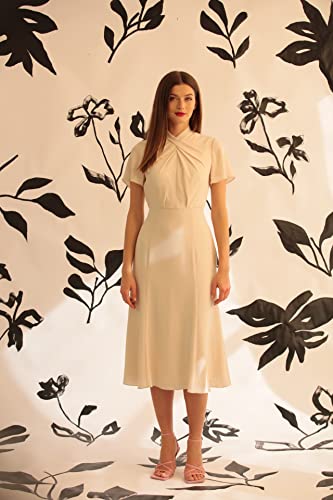
The 'collar' in cocktail attire is not a monolith. The shape of the neckline dictates the entire vibe of the dress. For a modern, edgy look, look for sharp, pointed shirt collars in structured fabrics like poplin or heavy crepe. These work exceptionally well for events that lean toward 'smart casual' or business-social hybrids. If you are aiming for vintage glamour, seek out Peter Pan collars or rounded scalloped edges, which lend a softer, more feminine aesthetic. For high-drama evening events, consider mandarin collars or high-standing Nehru collars. These provide a sleek, vertical line that elongates the neck and offers a regal, minimalist feel that pairs beautifully with statement earrings.
Fabric Weight and Occasion Alignment
Because a collar adds volume around the neck and shoulders, the choice of fabric is critical to prevent the dress from looking bulky or disproportionate. For cocktail events that require a bit of sheen, silk blends and satin are excellent, but ensure the collar is reinforced with interfacing so it doesn't limp or sag. If the event is during the daytime or in a more professional setting, structured cotton blends or tweed offer the necessary stiffness to maintain the collar's shape. For winter cocktail hours, velvet dresses with a contrasting silk collar provide a luxurious texture play that is both warm and visually striking.
Balancing Proportions and Body Type
A collared neckline draws immediate attention to the face and neck area. If you have a shorter neck, avoid high, tight collars that wrap closely around the throat, as these can create a 'stifled' appearance. Instead, opt for an open collar or a notched lapel that creates a V-shape, effectively lengthening your frame. For those with broader shoulders, a soft, draped collar can help soften the silhouette, whereas a sharp, structured collar can help define and frame the upper body. Always consider the hemline in relation to the collar. A high, structured collar often looks most balanced with a midi-length hem or a classic sheath silhouette.
The Importance of Tailoring and Construction
The primary failure point of collared dresses is poor construction at the neckline. A well-made cocktail dress will have a collar that sits flush against the body without gaping or pulling. Check the 'stand' of the collar—this is the part that allows it to rise above the neckline. If the stand is too flimsy, the dress will lose its polished edge the moment you move. Additionally, pay attention to the shoulder seams. Since the collar anchors the visual weight of the dress, the shoulders must be perfectly aligned to ensure the garment hangs straight. If you find a dress you love that is slightly loose in the bodice, a tailor can easily nip the waist to emphasize the structured nature of the collar, creating a much more high-fashion, custom look.
Accessorizing the Collared Neckline
When wearing a collared cocktail dress, your jewelry strategy must change. Traditional heavy necklaces often clash with the lines of a collar. Instead, lean into earrings—either dramatic studs to complement a sharp collar or long, elegant drops to work with a more open neckline. If the collar is minimal, such as a mandarin style, a delicate pendant might work, but generally, the collar itself acts as the primary accessory. For handbags, a structured clutch is the ideal companion to the architectural nature of this dress style, maintaining the theme of polished sophistication from head to toe.