Understanding Embroidery Styles and Textures
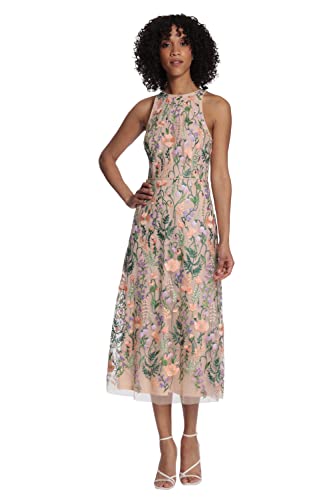
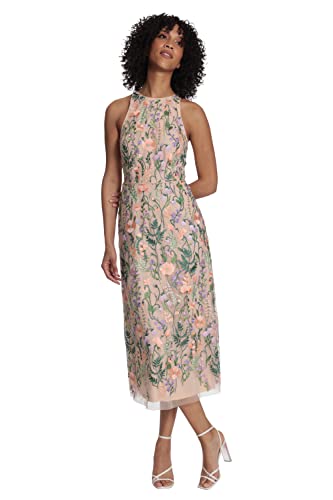
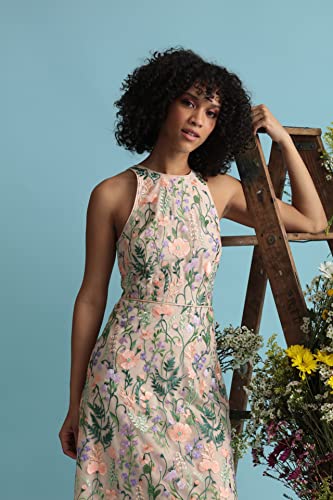
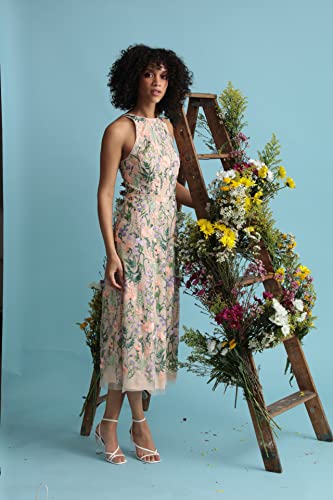
Not all embroidery is created equal, and the type of threadwork used will drastically change the formality and 'vibe' of your dress. For a sophisticated, understated look, seek out tonal embroidery—where the thread color closely matches the fabric. This creates a subtle, three-dimensional texture that catches the light without being overwhelming. If you want to command the room, look for multi-colored floral motifs or metallic gold and silver threadwork. Be mindful of the weight. Heavy beadwork combined with dense embroidery can make a dress feel cumbersome. For long evenings of dancing and socializing, a lightweight tulle base with delicate vine embroidery offers a romantic, ethereal aesthetic that remains comfortable.
Fabric Compatibility and Durability
The relationship between the embroidery and the base fabric is critical for both aesthetics and longevity. Embroidery requires a stable substrate. If the fabric is too sheer or flimsy, the tension of the stitching can cause the material to pucker or tear. Silk, satin, and high-quality crepe are excellent choices for supporting heavy embroidery because they hold their shape well. If you are looking for a more modern, edgy look, embroidery on velvet creates a luxurious, high-contrast effect. When inspecting a dress, always check the reverse side of the embroidery if possible. High-quality craftsmanship will have clean, tight stitching on the inside, whereas lower-quality pieces may have loose threads that snag easily on jewelry or clutch bags.
Silhouette and Pattern Placement
One of the most important decision factors is where the embroidery is positioned on the body. Strategic placement can act as a visual contour. For example, embroidery concentrated around the neckline can draw attention upward toward your face, acting as a built-in necklace. Conversely, embroidery along the hemline or cascading down one side of a skirt can create a lengthening effect, making you appear taller. If you have a petite frame, avoid oversized, sprawling floral patterns that might overwhelm your silhouette. Instead, opt for smaller, more delicate motifs. For those looking to emphasize their waist, look for dresses where the embroidery cinches or follows the natural curve of the midsection.
Occasion Appropriateness and Color Theory
When selecting your color palette, consider the time of day and the venue. Deep jewel tones like emerald, navy, or burgundy paired with metallic embroidery are quintessential choices for evening events and winter galas. For spring or summer cocktail parties, lighter pastels with floral embroidery feel much more appropriate. Additionally, consider the 'busy-ness' of the pattern. A heavily embroidered dress is a maximalist piece. To keep the look polished, pair it with minimal jewelry. If the dress features gold embroidery, stick to gold accessories to maintain a cohesive, intentional look. If the embroidery is multi-colored, try to pull one specific thread color from the pattern to use for your shoes or handbag to tie the entire outfit together.
Fit and Movement
Because embroidery adds physical weight and stiffness to a garment, the fit must be precise. An embroidered dress that is too tight may pull at the seams, causing the intricate patterns to distort or gap. An embroidered dress that is too loose may look bulky due to the added thickness of the threadwork. When trying on a piece, ensure you can sit, breathe, and move your arms freely. The dress should skim your curves rather than cling to them, allowing the artistry of the embroidery to lay flat against your body as intended.