Identify Your Discipline First
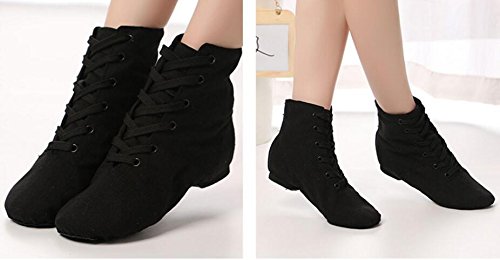
The most critical step in your purchase is matching the shoe to your specific dance style. There is no such thing as a 'universal' dance shoe. For ballet, you must choose between soft slippers for training and pointe shoes for advanced performance, focusing heavily on arch support and toe box structure. If you are a ballroom or Latin dancer, you will prioritize flexibility and suede soles for controlled sliding. Tap dancers require specific weight distributions in the toe and heel plates to achieve tonal clarity. Even within a single genre, such as jazz, the requirements change based on whether you are performing contemporary lyrical pieces or high-energy musical theater routines.
Prioritize Sole Material and Friction Control
The sole is the most important functional component of a dance shoe. It dictates how you interact with the floor. Suede soles are the gold standard for ballroom and many studio classes because they provide the perfect equilibrium between grip and slide, allowing for controlled pivots without catching. Conversely, leather soles are often preferred for social ballroom dancing on harder surfaces. For tap, the material and thickness of the metal plates are paramount. When shopping, consider the floor surface you most frequently use. A shoe designed for a professional Marley floor may feel overly slippery on a wooden home studio floor.
Dance involves extreme ranges of motion, particularly in the metatarsal area. Look for shoes that accommodate your specific arch height. A shoe with too much structure may prevent you from fully 'pointing' your foot, while a shoe with too little support can lead to arch fatigue. Pay close attention to the toe box width. A common mistake is buying shoes that are too narrow in an attempt to achieve a 'sleeker' look, which can lead to bunions or nerve compression. A high-quality dance shoe should feel like a second skin—snug enough to stay secure during turns, but flexible enough to allow your toes to splay naturally.
Consider Construction and Durability
Because dance shoes undergo intense lateral stress and repeated friction, construction quality is vital. Check the stitching around the heel and the tension of the elastic straps or ribbons. In pointe shoes, the strength of the 'box' and the 'shank' determines how long the shoe will last before collapsing. For character shoes or jazz shoes, look for reinforced stitching at the flex points. While professional-grade shoes often come at a higher price point, their ability to maintain their shape and support through hundreds of hours of practice makes them a more cost-effective long-term investment than cheaper, disposable alternatives.
Sizing and Fit Nuances
Never rely on your standard street shoe size. Dance shoe sizing is notoriously inconsistent across different brands and disciplines. Always check the specific sizing chart for the brand you are considering. Many dancers recommend sizing up slightly if they plan to wear specialized dance tights or toe pads, as these add bulk to the foot. If possible, test the shoes by performing basic movements—relevés, pivots, and weight shifts—to ensure there is no pinching in the toes or slipping at the heel.