Prioritize Fiber Density and Texture
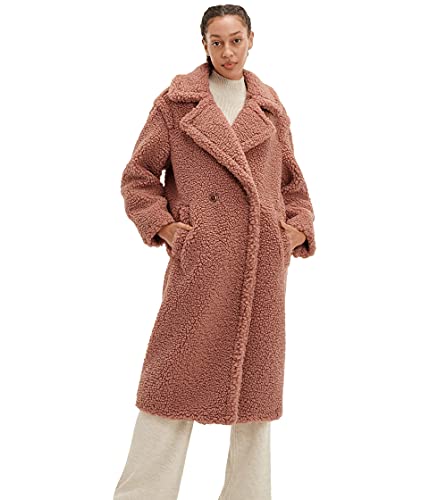
The most significant differentiator between a cheap, 'plastic-looking' coat and a high-quality faux fur piece is the density of the pile. When evaluating a jacket, look for fibers that are multi-tonal. High-quality synthetic fur mimics natural hair by using varying shades of color within a single strand, which prevents the coat from looking flat or unnaturally shiny under bright lights. Avoid coats that feel sparse or 'see-through' when you run your fingers through the pile. A dense, thick backing ensures the jacket provides actual insulation and retains its shape. Pay attention to the 'hand-feel' as well—premium faux fur should feel soft and supple, rather than crunchy or stiff.
Consider the Silhouette and Occasion
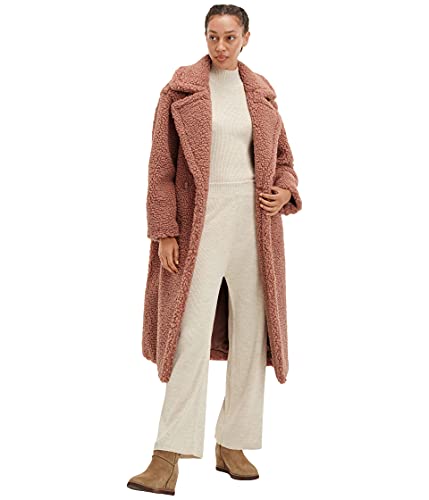
The cut of your jacket will dictate how often you can actually wear it. If you want a versatile staple, look for a mid-length coat with a classic collar. This works equally well over casual sweaters or formal evening wear. For a more fashion-forward, edgy look, cropped faux fur jackets with structured shoulders are currently trending and pair beautifully with high-rise trousers. If your primary goal is warmth in extreme climates, prioritize longer silhouettes that extend to the mid-thigh or knee. These longer cuts offer more wind protection and create a dramatic, sweeping profile that exudes elegance.
Evaluate the Lining and Construction
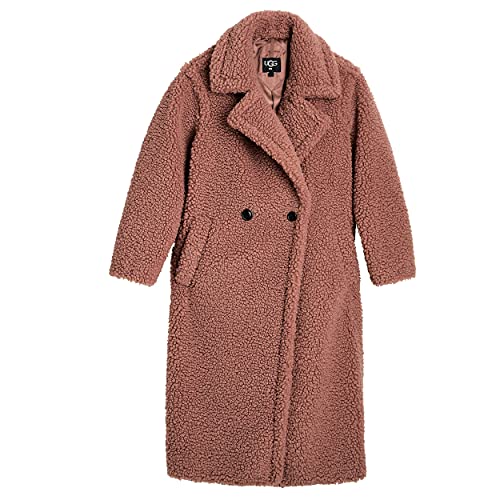
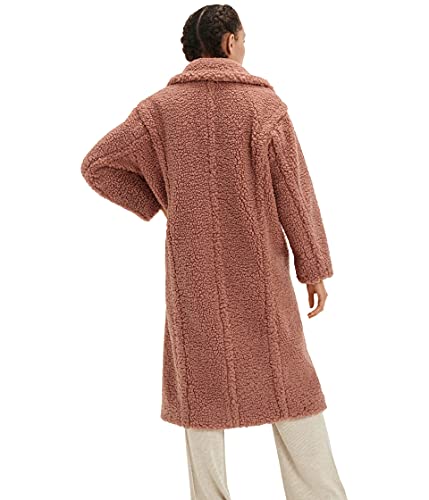
A common mistake is focusing solely on the exterior fur while ignoring the interior construction. A high-quality faux fur jacket must have a substantial lining—preferably satin, silk, or a heavy quilted fabric. The lining serves two purposes: it prevents the synthetic fibers from irritating your skin and provides an extra layer of thermal insulation. Check the seams. Because faux fur is bulky, poorly constructed garments often have uneven stitching that can cause the coat to look lumpy or misshapen. Look for reinforced seams and high-quality closures, such as heavy-duty zippers or sturdy, oversized buttons, which can handle the weight of the heavy fabric.
Weight and Practicality
While it is tempting to go for the heaviest, fluffiest coat possible, consider the weight for daily wear. A coat that is too heavy can cause shoulder fatigue and make it difficult to move gracefully. Look for a balance between 'loft' (the fluffiness of the fur) and actual weight. Additionally, consider the maintenance. While most faux fur is machine washable on delicate cycles, some high-end pieces require professional cleaning to maintain the luster of the fibers. If you want a low-maintenance wardrobe, opt for a shorter, denser pile that is easier to brush and maintain at home.
The Final Decision Logic
When making your final choice, use this hierarchy of needs: First, determine your primary use case (Daily warmth vs. Evening glamour). Second, select your silhouette based on your existing wardrobe. Third, inspect the fiber density to ensure it looks realistic. If a jacket passes the 'light test' (where you can see the backing through the fur) or the 'shine test' (where it looks overly reflective like cheap polyester), move on to the next option.