Prioritize Material for Seasonal Versatility
The primary factor in determining how a fedora performs is its material. For a high-end, structured look that holds its shape through various weather conditions, felt is the gold standard. High-quality wool felt offers a matte finish and a substantial weight that feels premium and provides excellent insulation for autumn and winter styling. If you are seeking something more lightweight for spring or summer transitions, look for straw or woven textures. When evaluating Hunterbee options, pay close attention to the density of the felt. A denser weave typically indicates better durability and a more refined, smooth surface that resists pilling and maintains its sculptural integrity over time.
Mastering the Brim and Crown Proportions
The geometry of a fedora is what defines its character. The brim width is the most critical element for facial balancing. If you have a smaller or more delicate facial structure, a medium-to-narrow brim prevents the hat from overwhelming your features. Conversely, those with stronger jawlines or wider cheekbones can carry wider, more dramatic brims that add a sense of cinematic grandeur. Pay attention to the 'snap' of the brim—a quality fedora allows you to flip the front down or the sides up to change the silhouette. Regarding the crown, the height and indentation (the pinch) will dictate the hat's formality. A deep, sharply pinched crown leans toward a classic, vintage aesthetic, while a softer, more rounded crown offers a relaxed, contemporary feel.
Selecting the Right Fit and Comfort Factors
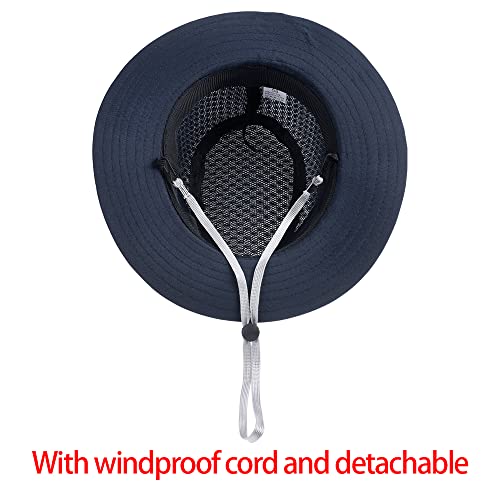
A fedora that is too tight will cause discomfort and headaches, while one that is too loose will constantly slip over your eyes. To ensure a perfect fit, look for models that include an internal adjustable drawstring or a sweatband made of soft, breathable fabric. The sweatband is crucial. It sits against your forehead and prevents moisture buildup, ensuring the hat remains comfortable during extended wear. When measuring, ensure you are measuring the circumference of your head just above the ears. A well-fitted hat should feel secure but not restrictive, allowing for a natural movement of the head without constant readjustment.
Color Coordination and Styling Logic
When choosing a color, think about your existing wardrobe's color palette. Neutral tones like camel, charcoal, and deep espresso are incredibly versatile and act as 'anchor' pieces that pair easily with everything from denim to formal coats. If you want the fedora to be the centerpiece of your outfit, consider bold jewel tones or textured weaves that catch the light. Remember that the color of your fedora can also influence the perceived 'temperature' of your look—warmer tones like tan and rust create an approachable, earthy vibe, while cool tones like navy or black lend themselves to a more authoritative and polished appearance.