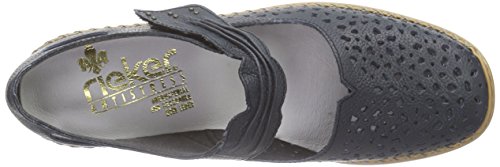
The most common mistake when shopping for flats is assuming that a thin sole equals a lightweight shoe. While thin soles are aesthetically pleasing and easy to pack, they often provide zero shock absorption. When evaluating a pair, look closely at the interior footbed. High-quality flats will feature anatomical contouring—specifically a defined arch support area—that prevents your foot from flattening out completely with every step. If you are on your feet for extended periods, seek out memory foam padding or integrated gel inserts. A flat that feels 'squishy' in the store might feel great initially, but you want density that provides actual structural support rather than just soft cushioning that bottoms out after an hour of walking.
Material Matters: Breathability vs. Durability
The material of your flats dictates both their lifespan and how they feel in varying climates. Leather is the gold standard for professional flats. It is naturally breathable, molds to the unique shape of your foot over time, and offers a level of sophistication that synthetic materials struggle to replicate. Suede offers a softer, more casual texture but requires more maintenance to prevent water damage. For those seeking a modern, edgy look, patent leather or high-quality vegan alternatives are excellent, though they may have a stiffer break-in period. If you live in warmer climates, prioritize unlined leather or woven textiles to ensure airflow and prevent moisture buildup, which can lead to discomfort and odor.
Toe Box Shape and Roominess
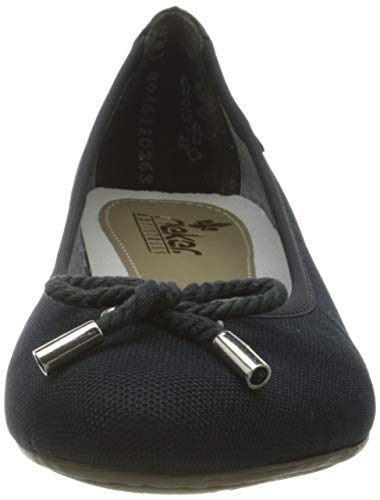
The shape of the toe box is perhaps the most significant factor in determining whether a shoe will be comfortable by midday. Pointed-toe flats are undeniably chic and elongating for the leg, but they can be treacherous if the toe box is too narrow, leading to pinched toes or bunion aggravation. If you opt for a pointed silhouette, ensure there is sufficient depth in the toe box so your toes aren't crushed together. Conversely, almond or round-toe shapes offer more natural room for toe splay, making them the superior choice for daily commuting or long walks. Always consider the width of your forefoot when deciding between these shapes.
Sole Composition and Grip
Don't overlook the bottom of the shoe. A flat with a completely smooth resin sole can be incredibly slippery on polished office floors or rainy sidewalks. Look for outsoles made of rubber or textured TPU (Thermoplastic Polyurethane). These materials provide the necessary traction to prevent slips and offer better shock absorption than hard plastic soles. Additionally, consider the flexibility of the sole. A shoe that allows for a natural roll from heel to toe will feel much more intuitive during movement than a stiff, inflexible base.
The Importance of Heel Security
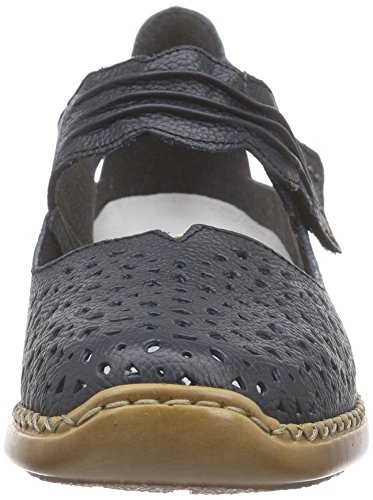
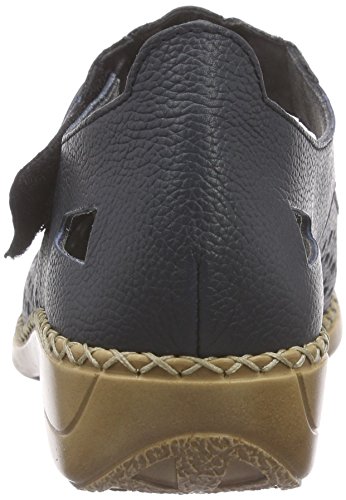
One of the most frustrating aspects of wearing flats is 'heel slippage,' where the back of the shoe detaches from your heel as you walk. This causes friction, blisters, and an awkward gait. To avoid this, look for flats with a structured heel counter—the stiffened back part of the shoe. A well-constructed heel counter holds your foot securely in place. If you find a pair you love that slips slightly, look for styles with ankle straps or Mary Jane silhouettes, which provide mechanical security to keep the shoe attached to your foot throughout the day.