Understanding Fabric Weight and Pile Height
The most critical factor in selecting a fleece coat is the 'pile'—the texture and density of the fabric. Fleece generally falls into three categories: microfleece, mid-weight fleece, and high-pile (often called 'sherpa' or 'teddy') fleece. Microfleece is incredibly thin and streamlined, making it ideal for layering under a windbreaker or wearing in mild autumn weather. If you choose a microfleece coat, look for high-density weaves that prevent wind from cutting straight through the fibers.
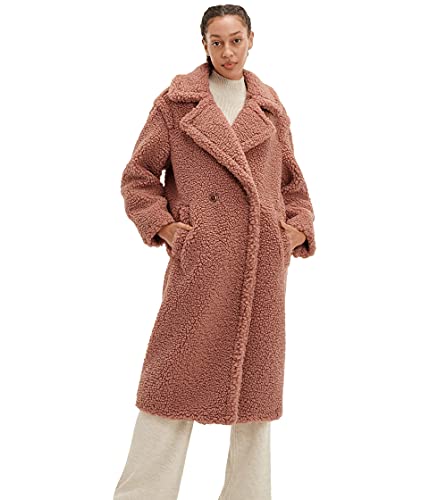
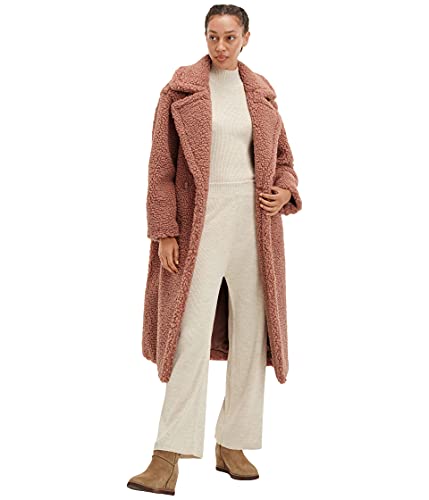
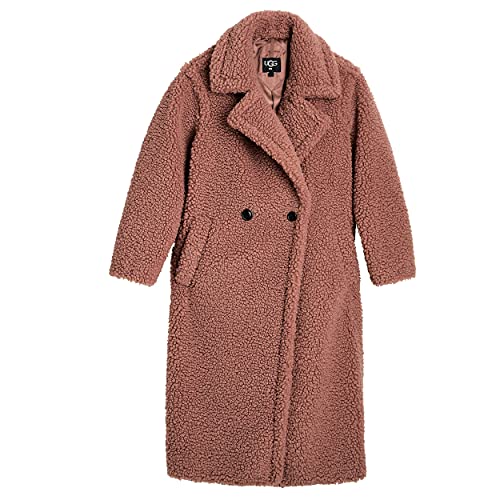
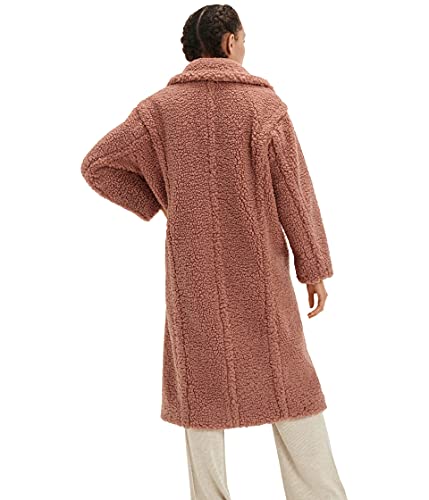
Mid-weight fleece is the workhorse of the category. It offers enough insulation for most winter activities but remains breathable enough to prevent overheating during physical exertion. Finally, high-pile fleece provides maximum loft. These coats look cozy and voluminous, trapping large amounts of air to keep you warm, but they are less suitable for layering under other tight-fitting garments. Choose high-pile if your primary goal is standalone warmth and a textured, fashionable look.
Insulation vs. Breathability
One of the biggest mistakes consumers make is choosing a coat that is warm but lacks breathability. Because fleece is a synthetic material (usually polyester), it has a natural tendency to trap moisture. If you are using the coat for active pursuits like walking or hiking, look for 'grid fleece' patterns. Grid fleece features a pattern of small squares on the inside, which creates channels for air to move and moisture to escape, preventing that clammy feeling common in cheap synthetic layers. For sedentary activities, such as commuting or outdoor lounging, a solid, dense fleece will provide more consistent heat retention.
Fit and Layering Logic
When evaluating the fit of a fleece coat, you must decide if it is intended to be your outermost layer or a mid-layer. If you plan to wear it as a primary coat, ensure the armholes are cut generously. Fleece can feel restrictive if the underarms are too tight, especially when you move your arms. If you are buying a fleece to wear underneath a heavier shell, opt for a more tailored, slim-fit silhouette to avoid unnecessary bulk. Pay close attention to the hemline as well. A longer, hip-length fleece provides more core warmth, while a cropped fleece is better suited for fashion-forward layering.
Durability and Maintenance
Fleece is prized for being low-maintenance, but low-quality versions are prone to 'pilling'—the formation of small, unsightly fuzz balls on the surface. To avoid this, look for high-quality, anti-pilling finishes mentioned in the product specifications. Additionally, check the hardware. Since fleece is a soft material, zippers can sometimes struggle to grip the fabric if the placket isn't reinforced. Look for coats with reinforced stitching around the pockets and zipper tracks to ensure the garment survives multiple seasons of heavy wear.