Prioritize Fabric Weight and Density
The most critical factor in selecting a fleece jacket is the weight of the fabric, often categorized by GSM (grams per square meter). Lightweight fleeces are thin, highly compressible, and designed for high-output activities like running or spring hiking where breathability is paramount. These are excellent for layering without adding bulk. Mid-weight fleeces are the most versatile option, offering a balanced thermal profile that works well for everyday wear. If you are looking for maximum warmth for stationary activities or extreme cold, seek out heavy-weight or 'high-pile' fleece. High-pile fabrics feature longer fibers that trap more air, creating a superior thermal barrier, though they are less compressible and may feel bulkier under other layers.
Understand the Fleece Construction
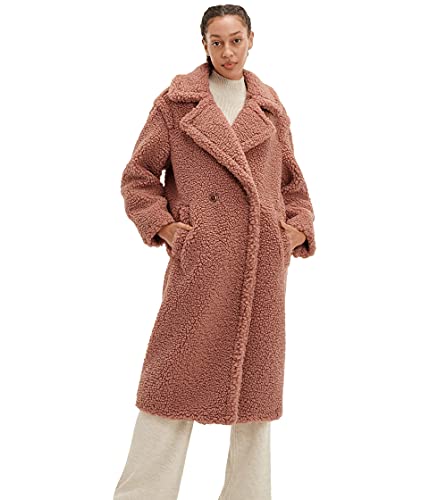
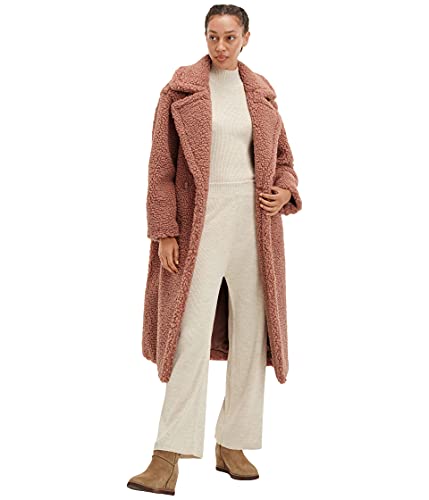
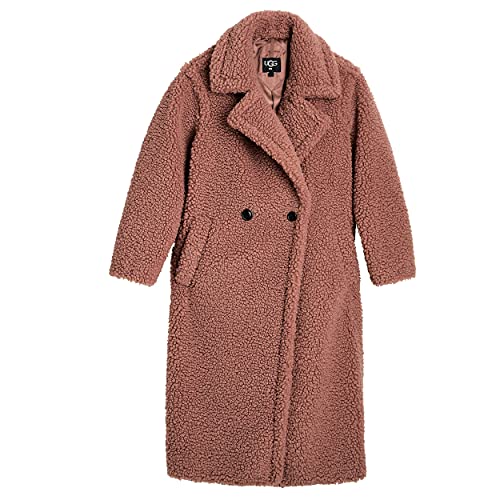
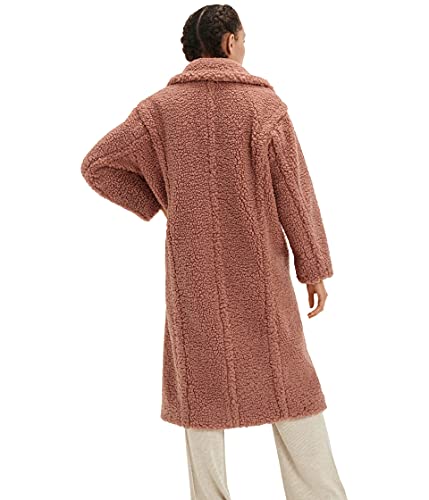
Not all fleece is created equal. You will typically encounter three main styles: microfleece, polar fleece, and sherpa fleece. Microfleece is incredibly fine and smooth, making it the gold standard for technical layering because it minimizes friction against other garments. Polar fleece is a standard, durable option that offers a good balance of warmth and breathability. Sherpa fleece, on the other hand, mimics the look and feel of sheepskin. It is exceptionally soft and provides significant warmth, making it ideal for fashion-forward casual wear or outdoor lounging, though it may lack the moisture-wicking capabilities of technical microfleece.
Consider Functionality and Features
For active lifestyles, look for specific technical details that enhance performance. Zippers should be robust and ideally feature a chin guard to prevent irritation. Pockets are a major decision factor. Zippered security pockets are essential if you plan to carry phones or keys during movement. Additionally, check for adjustable features such as elasticized cuffs, drawcord hems, or high collars. A high collar is vital for preventing heat loss through the neck, while an adjustable hem allows you to seal in warmth when the wind picks up. If you intend to use the jacket for hiking, ensure the material is moisture-wicking to pull sweat away from your skin, preventing the 'chilled' feeling that occurs when damp fabric sits against the body.
The silhouette of your jacket should match its intended use. A 'slim-fit' or 'athletic-cut' jacket is designed to sit close to the body, which is ideal for layering under shells and preventing air pockets that can make you feel cold. However, if you prefer a relaxed, casual look or need to layer a thick sweater underneath, an 'oversized' or 'relaxed' fit is more appropriate. When trying on a jacket, always test your range of motion. Raise your arms above your head to ensure the hem doesn't ride up too far, and check that the armholes aren't so tight that they restrict movement during physical activity.