Prioritizing Fabric Weight and Structure
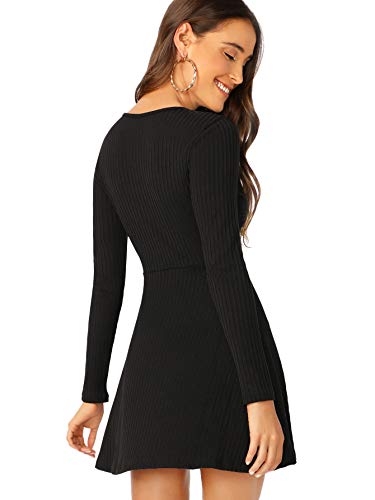
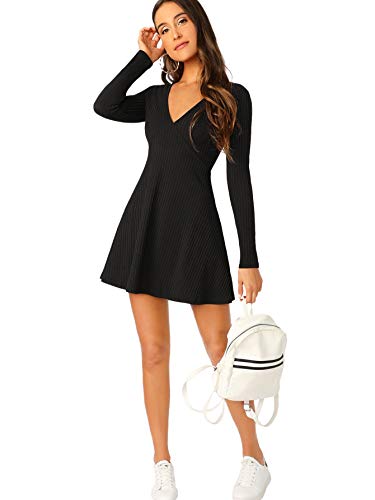
In the world of formal wear, the fabric dictates how the 'flare' actually behaves. For a true fit-and-flare look, you want a material that holds its shape rather than clinging to your legs. If you are looking for a dramatic, sculptural silhouette, seek out structured fabrics like heavy satin, mikado, or scuba knit. These materials provide a built-in architecture that maintains the bell shape of the skirt even when you are standing still. Conversely, if you prefer a more romantic, ethereal movement, look for layered tulle, organza, or chiffon. These fabrics create a softer, more fluid flare that moves beautifully when you walk or dance, though they may require more careful handling to avoid snagging.
Understanding Bodice Construction
Because the fit-and-flare style relies heavily on a snug bodice to create that iconic waist definition, the construction of the upper half is critical. For formal events, look for dresses with internal boning or built-in corsetry. This provides much-needed support and ensures the bodice stays in place without constant adjusting. Pay close attention to the neckline as well. A sweetheart neckline enhances the romanticism of the flare, while a halter or high-neck design can elongate the torso. If you plan on dancing, ensure the bodice offers enough structure to provide lift without feeling restrictive around your ribcage.
Length and Occasion Appropriateness
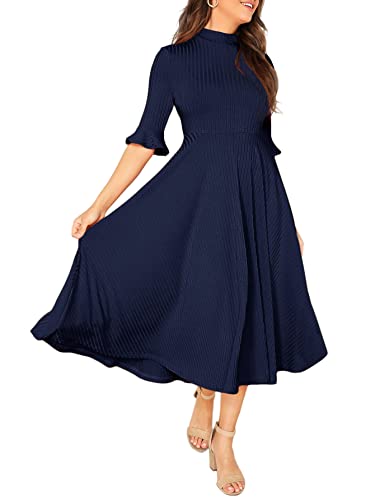
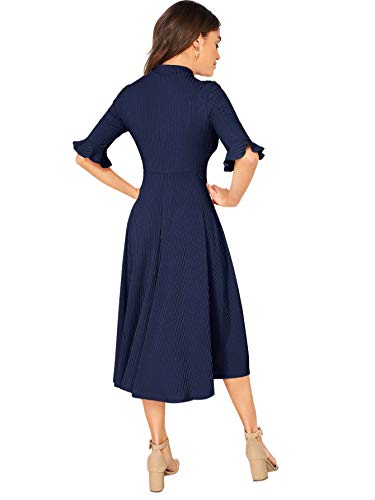
The 'formal' designation can range from semi-formal cocktail attire to full-length floor-sweeping gowns. When selecting your fit-and-flare dress, consider the event's dress code strictly. A knee-length or midi-length fit-and-flare in a rich lace or velvet is ideal for cocktail parties or evening weddings. However, for true black-tie affairs, you should prioritize floor-length silhouettes. A floor-length fit-and-flare dress creates a stunning 'ballgown' effect that is incredibly elegant. Always check the hemline. A skirt that is too long can be a tripping hazard, while one that is too short may lose its formal impact.
Selecting the Right Waistline Placement
The magic of this silhouette lies in where the flare begins. For most women, the most flattering point is the natural waist—the narrowest part of the torso. However, some formal dresses utilize an empire waist (sitting just below the bust), which can be excellent for creating the illusion of height. When evaluating dresses, look at the seam where the bodice meets the skirt. A well-placed seam acts as an anchor, defining your shape and providing the foundation for the skirt's volume. If the seam sits too low, it can visually shorten your legs. If it sits too high, it may feel less structured.
Comfort and Mobility Factors
Formal events often involve long periods of sitting and significant movement. When choosing your dress, perform a mental 'sit test.' Does the bodice feel like it will dig into your waist when you sit down? Does the skirt have enough volume to allow you to walk comfortably without feeling restricted? Additionally, consider the ease of movement in the skirt. A stiff, heavy fabric might look stunning in photos but can feel cumbersome if you need to navigate a crowded ballroom. Look for dresses that balance structural elegance with enough flexibility to allow for natural movement.