Prioritize Fiber Density and Pile Quality
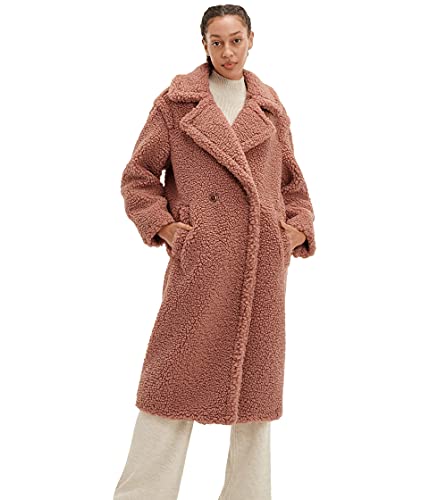
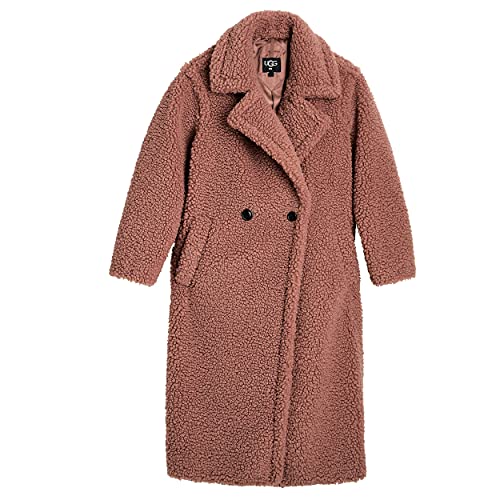
The most significant difference between a cheap-looking faux fur jacket and a luxury-tier piece lies in the density of the pile. When evaluating a coat, look closely at the 'hair' of the fur. High-quality faux fur should have a high density of fibers, meaning you shouldn't be able to see the fabric backing through the fur. If the backing is visible, the coat will likely look sparse and lose its shape quickly. Additionally, pay attention to the 'hand feel.' Premium faux fur utilizes advanced microfibers that mimic the natural movement and softness of real animal hair. Avoid fibers that feel overly plastic or 'crunchy' when you squeeze them, as these tend to trap heat uncomfortably and can develop a synthetic sheen under bright lights.
Consider the Weight and Lining
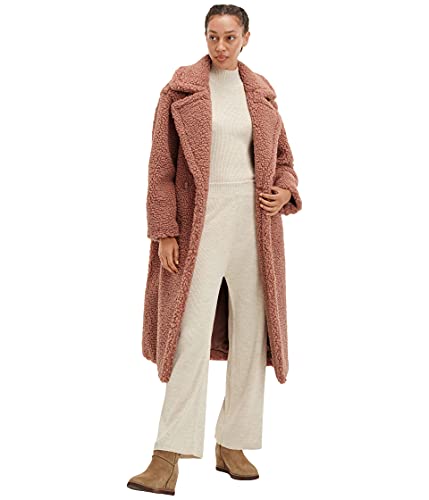
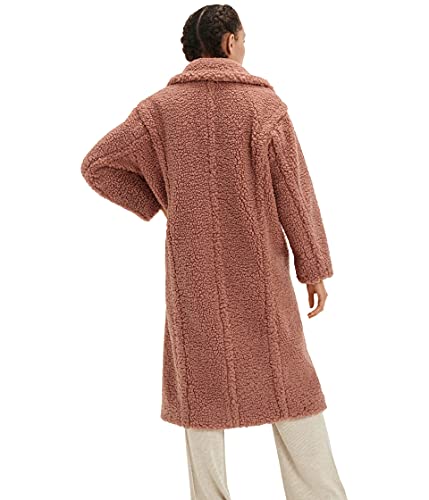
Faux fur can be deceptively heavy. A well-constructed coat will balance the weight of the outer shell with a structured interior. Check the lining carefully. A silk or satin lining is ideal for helping the coat glide over sweaters and dresses without snagging. For colder climates, look for coats that feature quilted or thermal linings. A heavy, high-density faux fur coat can become cumbersome if it lacks a proper internal structure, so ensure the shoulder construction is reinforced to prevent the weight of the fur from pulling the garment out of shape over time.
Select the Right Silhouette for Your Lifestyle
The silhouette of your coat dictates its versatility. Cropped faux fur jackets are excellent for casual, street-style looks, providing warmth to the core while allowing for ease of movement in the arms. These are perfect for layering over light knits. Conversely, longline coats or full-length fur wraps offer maximum insulation and a more formal, sophisticated vibe. If you plan to wear your coat primarily for evening events, look for sleek, tailored silhouettes. If the coat is for daily commuting, look for mid-length styles that offer protection from the elements without being too restrictive for driving or walking.
Color Depth and Texture Variation
One of the hallmarks of high-quality faux fur is color depth. Real fur has natural variations in tone. Top-tier synthetic versions attempt to replicate this through 'tipped' fibers—where the ends of the hairs are a slightly different shade than the roots. This prevents the coat from looking like a solid, flat block of color. When shopping, look for multidimensional tones in browns, greys, and creams. This texture adds visual interest and helps the coat look more authentic and expensive, regardless of the actual price point.
Care and Longevity Factors
Before purchasing, always check the care instructions. While many faux fur pieces are marketed as easy-care, high-quality pieces often require gentle steaming rather than aggressive brushing to maintain their loft. Avoid coats that feel overly delicate or prone to shedding, as once the fibers begin to fall out, the structural integrity of the coat is compromised. A sturdy, tight weave in the base fabric is essential for preventing the 'shedding' effect common in lower-end synthetic garments.