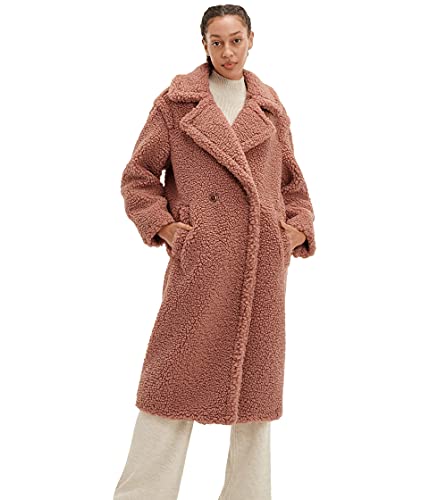
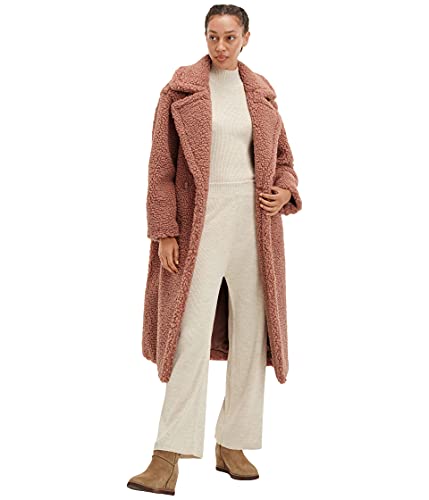
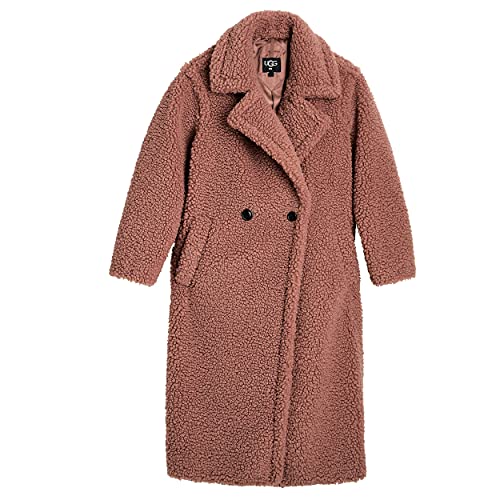
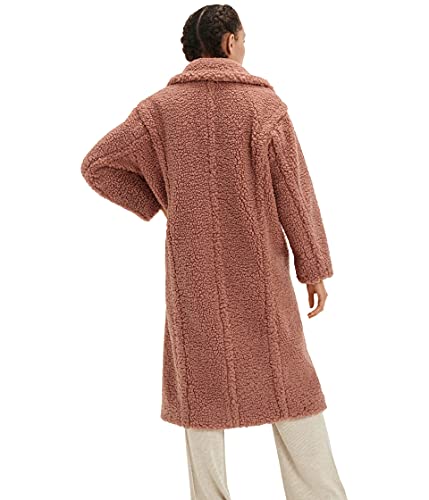
Material Composition: Real vs. Faux Fur
The most critical decision in your search is the choice between genuine animal fur and high-end synthetic alternatives. Real fur, such as mink, fox, or shearling, offers unparalleled thermal regulation and a unique weight that drapes naturally against the body. It is an investment piece that, if cared for properly, can last decades. However, it requires specialized cleaning and storage.
On the other hand, modern faux fur technology has advanced significantly. High-quality synthetic furs use fine-denier fibers to mimic the sheen and 'hand-feel' of real fur without the ethical or maintenance concerns. When shopping for faux options, look for 'high-pile' density. Cheap synthetics often look shiny or plastic-like under sunlight, whereas premium faux fur maintains a matte, realistic texture.
Silhouette and Occasion
The cut of your jacket dictates where you can wear it. For formal events, gala dinners, or winter weddings, consider cropped styles or stoles that sit above the waist. These silhouettes allow the fabric of your dress to remain visible while providing warmth to the shoulders.
For daily urban commuting or casual weekend outings, a mid-length or parka-style fur coat offers better protection against the elements. If you are looking for a modern, edgy look, an oversized bomber silhouette in a plush texture is currently a major trend. Always consider how the volume of the jacket will interact with your existing wardrobe—bulky fur coats require streamlined bottoms, such as slim-fit trousers or leggings, to maintain a balanced proportion.
Weight, Density, and Lining
A common mistake is prioritizing softness over substance. A jacket that feels soft to the touch but lacks density will fail to trap heat effectively. When inspecting a coat, press your hand into the fur. It should feel thick and spring back immediately, indicating a high density of fibers.
Furthermore, the lining is just as important as the exterior. A high-quality coat should feature a substantial lining—such as silk, satin, or a quilted technical fabric—that prevents the fur from shedding onto your clothing and provides an extra layer of insulation. Check the seams of the lining. They should be reinforced to handle the weight of the fur without pulling or tearing.
Maintenance and Longevity
Fur is a living material (or a complex synthetic one) that reacts to moisture and oils. Before purchasing, consider your local climate. If you live in a high-humidity or rainy area, a heavy faux fur or a treated shearling might be more practical than delicate mink. For real fur, ensure you have access to a professional furrier for seasonal cleaning. For faux fur, check the care label carefully. Many high-end synthetic pieces require professional dry cleaning to prevent the fibers from matting or losing their luster over time.