Prioritize Material Integrity and Comfort
The fabric of a garter belt dictates both its longevity and how it interacts with your skin. Since these garments are often worn close to the body for extended periods, breathability and stretch are paramount. Lace-heavy designs offer a romantic, vintage aesthetic, but you should ensure the lace is soft and non-abrasive to prevent skin irritation. Satin and silk options provide a luxurious sheen and a smooth glide against hosiery, making them ideal for formal occasions. However, if you are looking for daily wear or a more secure fit, consider blends that incorporate a small percentage of elastane or spandex. This ensures the belt maintains its shape and stays positioned at your natural waist or hips without sagging throughout the day.
Evaluate Hardware and Clip Functionality
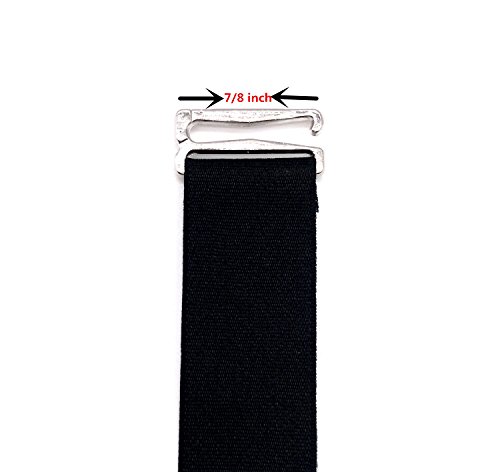
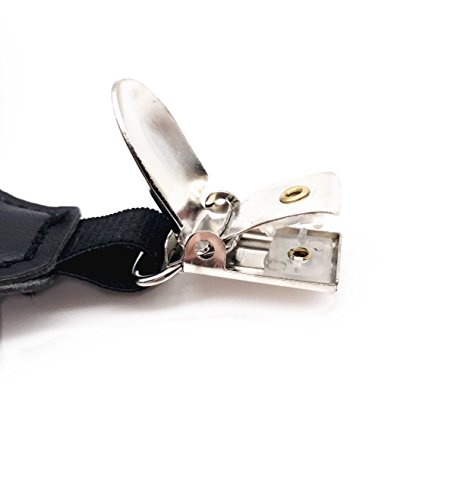
The most critical functional element of any garter belt is the hardware. The clips—often referred to as suspender straps—are the bridge between the belt and your stockings. You will typically encounter two main types: metal clips and plastic clips. Metal hardware is significantly more durable and provides a more secure grip on the welt of a stocking, preventing them from sliding down. When inspecting a belt, check the tension of the adjustable sliders. They should be smooth enough to adjust easily but firm enough to hold their position once set. Avoid belts where the clips feel flimsy, as a single slip can ruin the entire silhouette and cause significant frustration.
Consider Waistband Construction and Support
A garter belt serves two purposes: holding up stockings and often acting as a subtle shapewear element. Therefore, the waistband construction is vital. A wide, reinforced waistband offers more stability and can help smooth the midsection, whereas a thin, delicate band is purely ornamental. If you intend to use the belt for long-duration wear, look for a design with a wider band to distribute pressure more evenly across your waist. This prevents the 'digging in' sensation that often occurs with narrower, more restrictive styles. Pay attention to whether the belt is designed to sit at the high waist (to elongate the legs) or the low hip (for a more contemporary, sultry look).
Matching Style to Intended Use
Before making a final decision, define the primary purpose of the belt. If it is for a formal event or special occasion, prioritize intricate lace patterns, silk finishes, and perhaps decorative embroidery. These pieces are designed to be seen and to complement high-end hosiery. If the belt is intended for practical, everyday use to keep stockings in place, prioritize comfort, ease of adjustment, and a more understated design. A functional belt should be reliable and unobtrusive, whereas a decorative belt should be a statement piece. Understanding this distinction will prevent you from choosing a piece that is beautiful but impractical, or functional but lacking the desired aesthetic impact.