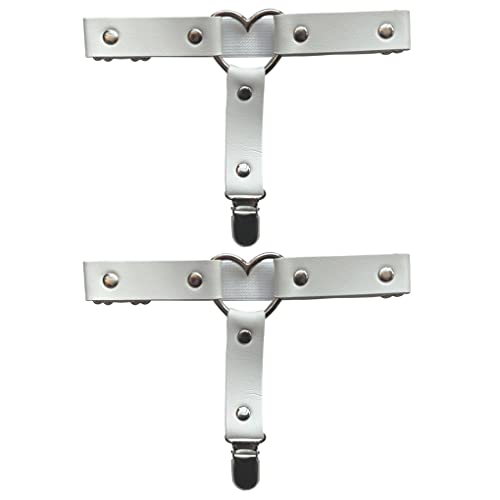
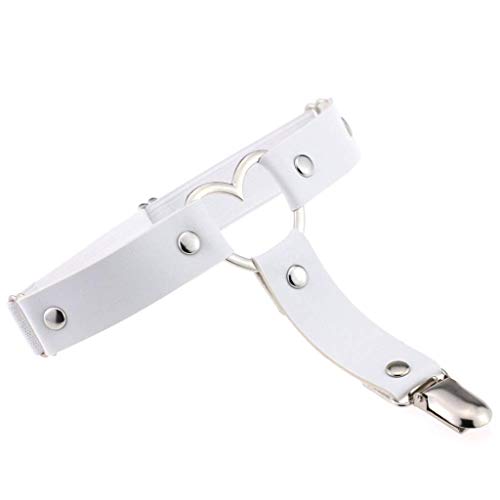
Prioritize Material Integrity and Elasticity
The primary function of a garter is to maintain tension without causing discomfort or damaging your clothing. When browsing through options, pay close attention to the composition of the elastic bands. High-quality elastic should offer a 'snap-back' quality—meaning it stretches easily to accommodate movement but immediately returns to its original shape without becoming saggy over time. Look for blends that incorporate nylon or spandex for durability. If you are looking for a more structured, belt-like appearance, leather or faux-leather textures provide a sophisticated edge, but ensure the backing is soft to prevent skin irritation during extended wear.
Understanding Adjustability and Fit
Unlike standard belts that rely on a single buckle, garters often utilize a combination of adjustable sliders and metal clips. Because the goal is often to secure stockings or to accent the waistline, a one-size-fits-all approach rarely works for everyone. Look for designs that feature multiple adjustment points. For waist-style garters, adjustable loops or sliding buckles allow you to customize the tightness to sit perfectly above your hips or at your natural waist. For leg-style garters, ensure the strap length is sufficient to accommodate different thigh circumferences, as a strap that is too short will pinch, while one that is too long will slip down throughout the day.
Clip Mechanism and Hardware Quality
The most overlooked aspect of a garter is the hardware. The clips—whether they are metal alligator clips or soft fabric loops—are the most common failure points. Metal clips are generally more secure for holding up hosiery, but they must be smooth. Any jagged edges on the teeth of the clip can easily snag delicate lace or sheer nylon. If you intend to wear these as fashion belts over clothing rather than for functional hosiery support, look for decorative hardware like gold-tone or silver-tone buckles that act as jewelry for your waist. Ensure the attachment points are reinforced with extra stitching to prevent the clips from tearing away from the main band under tension.
Stylistic Versatility: Lace vs. Leather
Your decision should be heavily influenced by the 'vibe' of your existing wardrobe. Lace garters are the gold standard for romantic, boudoir, or vintage-inspired looks. They blend seamlessly with feminine silhouettes and are often more forgiving against the skin. On the other hand, wide, structured garters made of synthetic leather or heavy webbing are better suited for punk, goth, or avant-garde fashion. These function more like statement belts and are designed to be seen as a bold structural element of an outfit. Consider whether you want the accessory to be a subtle, functional layer or a loud, central piece of your visual identity.
Maintenance and Longevity
Because garters are often worn close to the skin and involve tension, they are subject to more wear and tear than a standard belt. To ensure longevity, avoid high-heat drying if the material contains significant amounts of elastic, as heat can break down the fibers and lead to loss of stretch. Hand washing is almost always the preferred method for maintaining the shape and color of delicate lace or embellished versions.