Prioritize Sole Flexibility and Construction
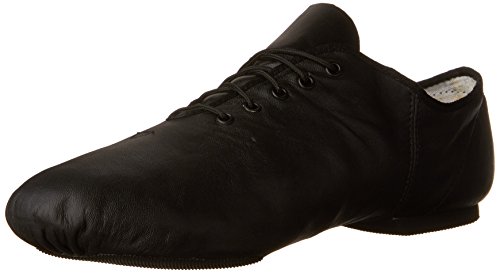
The most defining feature of a jazz shoe is the sole. Depending on your dance style, you will likely choose between three primary constructions: split-sole, full-sole, or multi-sole. Split-sole shoes are the industry standard for most jazz dancers because they feature a separation between the heel and the ball of the foot. This design allows for maximum articulation of the metatarsals, making it much easier to point your toes and execute controlled relevés. Full-sole shoes, conversely, offer a continuous surface that provides more stability and a smoother glide, which is often preferred in more lyrical or contemporary jazz styles where floorwork and sliding transitions are frequent. When choosing, consider how much 'roll' you need in your foot. If your technique relies heavily on rapid weight shifts, a split sole is almost always the superior choice.
Evaluate Material and Texture
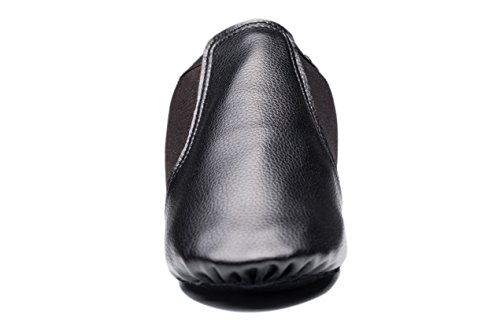
The upper material of your jazz shoe dictates both the durability and the 'look' of your performance. Leather is the traditional choice for a reason. It molds to the shape of the foot over time, providing a custom-like fit and a professional, matte finish that looks excellent under stage lights. However, leather requires a break-in period. For those seeking immediate comfort and a more modern aesthetic, synthetic materials and spandex blends are excellent alternatives. These materials offer a 'second skin' feel, providing high elasticity that moves with the foot without the stiffness of traditional leather. If you are performing in a high-intensity setting where sweat and friction are concerns, look for breathable, lightweight synthetics that won't lose their shape during a long rehearsal.
Consider Grip and Floor Interaction
A common mistake is selecting a shoe that is too 'grippy' or too 'slick.' If the sole material provides too much friction, you risk catching your foot during turns, which can lead to ankle or knee injuries. If it is too slick, you may struggle to find your center during jumps or controlled landings. Most high-quality jazz shoes utilize a soft suede or brushed leather sole. This material offers a balanced level of friction: enough to allow for controlled pivots and turns, but smooth enough to prevent sticking. If you are dancing on a particularly slick Marley floor, you might prefer a slightly more textured suede. If you are on a wooden stage, a smoother finish may be more advantageous.
Achieving the Perfect Fit
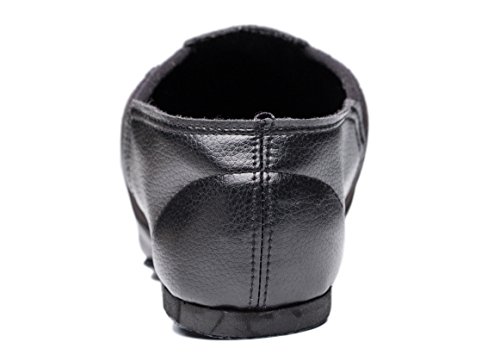
In jazz dance, a loose shoe is a liability. If there is excess space in the toe box or the heel, you will lose the ability to feel the floor, which compromises your balance and precision. Your jazz shoes should feel snug—almost tight—initially, as many materials (especially leather and spandex) will stretch slightly with use. Ensure that your toes are not being cramped or pinched, but that there is no 'slop' when you move your foot. A well-fitted shoe should allow you to feel the floor through the sole while providing enough lateral support to keep your foot stable during jumps and lateral movements.