Understanding Material Quality and Texture
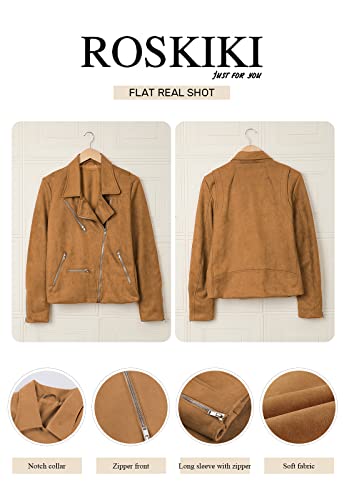
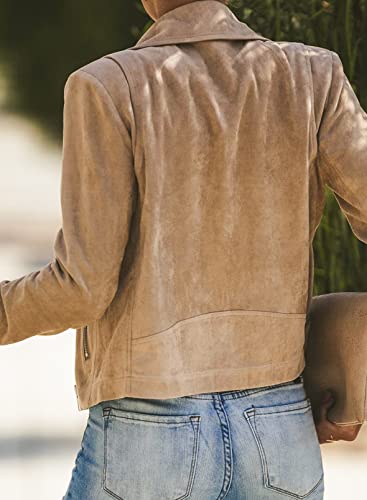
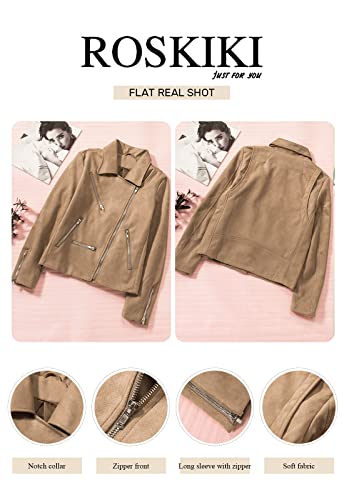
The most critical factor in selecting a high-quality faux leather coat is the 'hand-feel' and visual authenticity of the material. Low-grade synthetic leather often has a plastic-like sheen that looks artificial under bright lights and can feel stiff or uncomfortable against the skin. When browsing the Roskiki collection, look for materials that mimic the grain and suppleness of genuine hide. High-quality polyurethane (PU) should feel soft to the touch and possess a slight flexibility that allows it to drape naturally over your body rather than holding a rigid, boxy shape. A matte or semi-matte finish is generally more versatile and looks more expensive than high-gloss alternatives.
Silhouette and Style Archetypes
Your choice should be dictated by the specific aesthetic you wish to project. There are three primary silhouettes to consider:
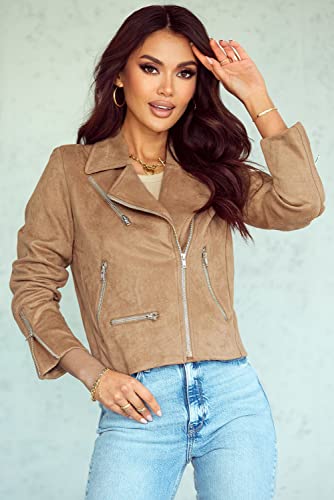
- The Biker Jacket: Characterized by asymmetrical zippers, wide lapels, and heavy hardware. This is the ultimate 'cool girl' staple, perfect for adding grit to a floral dress or denim.
- The Moto/Bomber Style: More streamlined and symmetrical than the biker, these are excellent for a minimalist, modern look. They provide a cleaner line that works well in professional-casual settings.
- The Longline Coat: If you are looking for something more dramatic and weather-protective, a longer faux leather coat offers a high-fashion, editorial vibe. These are excellent for layering over knits during transitional seasons.
Hardware and Finishing Details
In the realm of faux leather, the hardware—zippers, snaps, buckles, and studs—often dictates the longevity and perceived value of the coat. Avoid pieces where the metal feels lightweight or 'tinny.' Look for heavy-duty zippers that glide smoothly. A stuck zipper is the most common reason for returning a leather jacket. Furthermore, pay attention to the stitching. Because synthetic materials do not stretch like natural leather, the stitching must be precise and reinforced at stress points like the armpits and pockets to prevent tearing over time.
Sizing and Layering Considerations
One of the most common mistakes when buying faux leather is selecting a size that is too tight. Unlike natural leather, which can 'break in' and stretch to accommodate your shape, synthetic leather has limited elasticity. If the jacket is too tight across the shoulders or chest, it will feel restrictive and may eventually crack at the seams. Always consider your layering needs. If you plan to wear chunky sweaters or hoodies underneath, opt for a slightly more relaxed fit. If you prefer a slim, cropped look for wearing over light tees, ensure the shoulder seams align perfectly with your natural shoulder line to maintain a tailored appearance.
Care and Longevity
To ensure your Roskiki coat remains a staple for seasons to come, treat it with care. Avoid machine washing whenever possible, as the heat and agitation can strip the synthetic coating. Instead, use a damp cloth to spot-clean spills and store the coat on a wide, padded hanger to prevent 'shoulder bumps' caused by thin wire hangers. Keeping the material away from extreme heat sources will prevent the faux leather from drying out or peeling.