Understanding Leather Types and Durability
The most significant factor in your purchase is the type of hide used. Not all leather is created equal, and the distinction will affect both the drape of the coat and its longevity. Full-grain leather is the gold standard. It utilizes the entire grain of the hide, preserving the natural strength and unique character of the skin. This type of leather develops a beautiful patina over time, meaning it looks better as it ages. Second, consider top-grain leather, which has been sanded to remove imperfections. It is thinner and more pliable, making it excellent for fashion-forward, lightweight jackets, though it lacks the extreme durability of full-grain. Avoid 'genuine leather' labels if you are seeking longevity, as this often refers to lower-grade scraps bonded together, which can peel or crack within a few seasons.
Silhouette and Style Intent
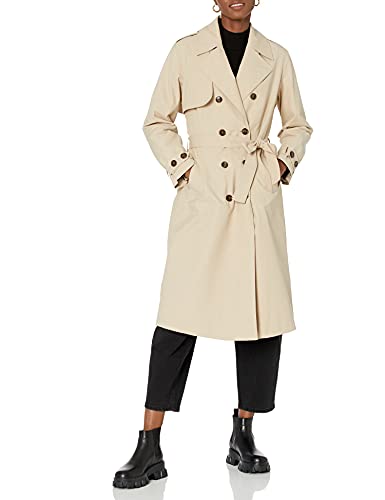
The silhouette of your jacket dictates how you will wear it. If you want a piece that commands attention, look for a classic biker jacket featuring asymmetrical zippers, wide lapels, and heavy-duty hardware. These are inherently casual and work best with denim or edgy street style. For a more refined, timeless look, opt for a leather trench or a straight-cut moto jacket with a symmetrical zip. These silhouettes transition seamlessly from a daytime office environment to an evening dinner. Additionally, consider the length: cropped jackets emphasize the waistline and pair well with high-waisted trousers, while longer leather coats provide more warmth and a more dramatic, high-fashion silhouette.
Fit, Lining, and Comfort
A leather jacket should feel like a second skin, but it should never restrict your movement. When trying on a coat, pay close attention to the shoulder seams. They should sit right at the edge of your natural shoulder. If they droop, the jacket is too large. If they pull toward your neck, it is too small. Because leather does not have the same stretch as knitwear, you must account for layering. If you plan to wear chunky sweaters underneath, size up slightly. The lining is equally important. A high-quality silk, viscose, or quilted satin lining will allow the jacket to glide over your clothes rather than catching on them. A poor lining can make a premium leather jacket feel uncomfortable and sweaty.
Hardware and Finishing Touches
The details are where quality is truly revealed. Inspect the zippers, snaps, and buckles. High-quality jackets utilize heavy-duty metal hardware that operates smoothly without snagging. Plastic zippers are a red flag in premium leather goods. Furthermore, check the stitching. It should be even, tight, and consistent throughout the garment. Any loose threads or uneven seams are indicators of rushed manufacturing. Finally, consider the weight. A well-made leather coat should feel substantial and protective, providing a sense of structure that holds its shape regardless of how often you wear it.