Prioritize Traction and Outsole Engineering
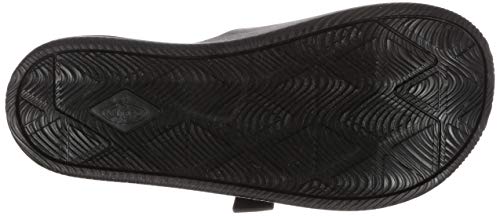
The defining difference between a standard indoor slide and an outdoor-ready slide is the outsole. When you are walking on damp boardwalks, loose gravel, or uneven garden paths, a smooth, flat sole is a recipe for a slip. Look for slides that feature multidirectional lug patterns. These deep grooves act like miniature treads on a tire, providing grip on slick surfaces and stability on soft ground. Furthermore, check the material of the outsole. High-density rubber or specialized EVA blends are preferable to soft plastics, as they offer better abrasion resistance and won't wear down quickly when used on abrasive surfaces like concrete or rock.
Focus on Arch Support and Ergonomic Contouring
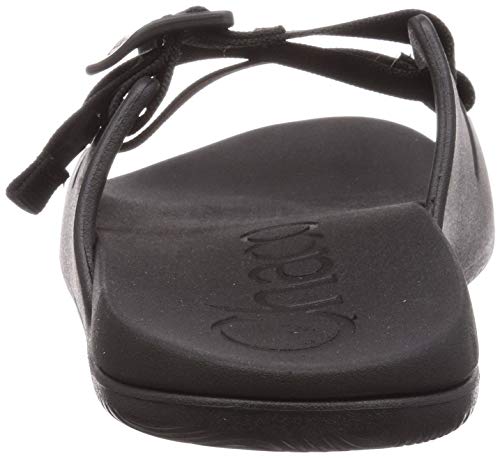
Because outdoor slides are often worn for extended periods—such as during a long day at a summer festival or a walk around a campground—the internal architecture of the footbed is critical. Many casual slides are completely flat, which can lead to plantar fasciitis or general foot fatigue over time. For outdoor use, seek out slides with anatomical contouring. This includes a defined arch support, a deep heel cup to stabilize the foot, and a toe bar that helps guide the foot into a natural walking motion. A well-contoured footbed distributes pressure more evenly across the sole of your foot, reducing the impact of hard surfaces.
Material Durability and Water Management
Outdoor environments are unpredictable. You need to consider how your slides will react to water, mud, and sunlight. If you plan on wearing your slides near water or in rainy conditions, prioritize quick-drying synthetic materials or high-quality molded EVA. These materials are non-absorbent, meaning they won't become heavy and waterlogged, and they are incredibly easy to rinse clean. If you prefer a more premium feel, look for closed-cell foam, which resists odors and prevents bacteria buildup—a common issue with footwear that stays damp. Avoid suede or untreated fabrics that can be easily ruined by a sudden downpour or a splash from a puddle.
Adjustability and Secure Fit
A common complaint with slides is that they can feel too loose, causing the foot to 'slap' against the footbed, which disrupts your gait and can cause blisters. To combat this, look for models with adjustable straps. A single wide hook-and-loop strap across the instep allows you to customize the tightness based on whether you are wearing thick hiking socks or going barefoot. This adjustability is vital for maintaining stability on uneven terrain, ensuring your foot stays securely seated within the footbed rather than sliding around.
The Recommendation Logic
When deciding which pair to invest in, match the slide to your primary activity. If your 'outdoor' time is mostly poolside or beachside, prioritize lightweight, waterproof EVA models with excellent drainage. If your outdoor use involves light trekking or walking through parks, prioritize heavy-duty rubber outsoles and significant arch support. Always consider the seasonal context: a rugged, thick-soled slide is better for spring and autumn, while a breathable, quick-dry model is the champion of mid-summer.