Prioritize Traction and Outsole Engineering
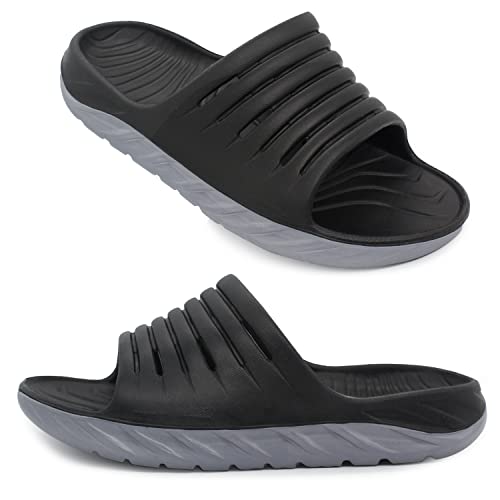
The most critical distinction between a casual slide and an outdoor slide is the outsole. In an outdoor setting, you are frequently encountering wet rocks, loose gravel, or damp grass. Look for outsoles made from high-traction rubber compounds that feature multidirectional lug patterns. Deep grooves and aggressive tread patterns are essential for dispersing water and preventing hydroplaning on slick surfaces. If you plan on using these slides for light hiking or walking on unpaved paths, avoid smooth-bottomed models, as they pose a significant slip risk. A high-quality outsole should feel substantial and provide a firm grip without being so heavy that it creates fatigue.
Unlike lifestyle slides that often feature a flat, unyielding surface, outdoor-specific slides must prioritize biomechanical support. Because outdoor activities often involve walking on irregular surfaces, your feet need help maintaining stability. Seek out models with anatomical footbeds that feature built-in arch support and deep heel cups. A contoured footbed helps distribute pressure evenly across the sole of the foot, reducing the likelihood of plantar fasciitis or general fatigue during extended wear. If you have high arches or flat feet, look for slides that offer adjustable density in the cushioning to ensure the footbed mimics your natural shape.
Material Durability and Water Resistance
Outdoor environments are inherently harsh on footwear. The upper material of your slides should be resistant to UV degradation, mud, and constant water exposure. Synthetic materials like EVA (Ethylene Vinyl Acetate) are popular because they are lightweight and quick-drying, but they can sometimes lack the structural integrity needed for heavy use. For a more premium feel and increased durability, look for reinforced straps made from high-density webbing or treated neoprene. These materials hold their shape even when wet and are less likely to stretch out over time. Additionally, ensure that any padding in the straps is quick-drying to prevent bacterial growth and unpleasant odors caused by trapped moisture.
Consider Strap Security and Fit Adjustability
A common complaint with slides is the 'flip-flop' effect, where the foot slides around inside the footwear, causing instability. For outdoor use, this is more than a nuisance—it is a safety hazard. Look for slides with wide, secure straps that cover a larger portion of the midfoot. Ideally, choose models with adjustable closures, such as hook-and-loop fasteners, which allow you to tighten the fit depending on whether you are wearing thin moisture-wicking socks or going barefoot. A secure fit ensures that your foot moves in unison with the slide, providing better control when navigating uneven ground.
Weight vs. Cushioning Balance
There is a constant tug-of-war between lightweight comfort and rugged durability. Extremely lightweight EVA slides are excellent for packing in a backpack or for quick transitions at the beach, but they may lack the impact absorption needed for long walks. Conversely, heavily cushioned slides with thick midsoles provide excellent shock absorption but can feel clunky and heavy. When making your decision, consider your primary use case: if you are using them primarily for recovery after a long hike, prioritize maximum cushioning. If they are meant to be a versatile part of your hiking kit, prioritize a lightweight, streamlined design with moderate support.