Prioritizing Fabric and Breathability
The most critical decision factor in selecting panties is the material composition. Because this garment sits against your most sensitive skin for extended periods, breathability is non-negotiable. Look for natural fibers like cotton, which is highly absorbent and allows for airflow, making it the gold standard for daily health and preventing moisture buildup. If you are looking for something more luxurious or moisture-wicking for active days, modal and bamboo viscose are excellent choices. They are incredibly soft, drape beautifully, and manage humidity better than standard cotton.
Avoid high percentages of synthetic materials like heavy polyester for everyday wear, as these can trap heat and moisture. However, a small percentage of elastane or spandex (usually between 5% and 10%) is actually desirable, as it provides the necessary stretch to ensure the garment retains its shape and moves with your body rather than bunching up.
Understanding Silhouettes and Coverage
The 'best' style is entirely dependent on your outfit and your personal comfort level with coverage. To make an informed choice, categorize your needs into three main buckets:
- Full Coverage and Comfort: Briefs and hipsters offer the most fabric, making them ideal for lounging or wearing under looser clothing. Hipsters typically sit lower on the hips and provide a balanced amount of coverage, while briefs offer a higher rise and more security.
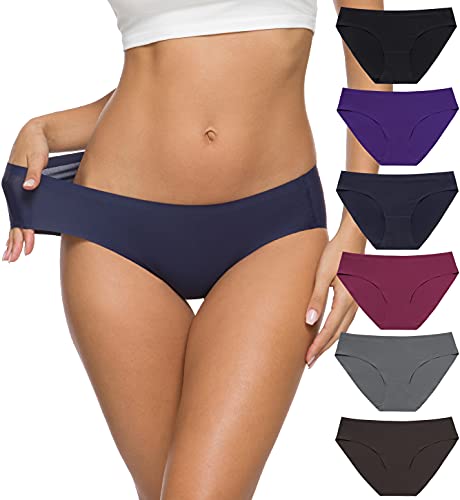
- Seamless and Invisible: If you frequently wear leggings, tight dresses, or tailored trousers, look for laser-cut edges and seamless constructions. These are designed to eliminate the 'panty line' effect, providing a smooth silhouette under form-fitting fabrics.
- Minimal Coverage: Thongs and cheekies are the go-to options for avoiding visible lines in almost any garment. While they offer less fabric, they are essential for high-fashion or athletic wear where coverage is a secondary concern to aesthetics and line-management.
Key Construction Details to Inspect
Beyond style and fabric, the technical construction determines longevity and comfort. Pay close attention to the gusset—the inner lining of the panty. High-quality underwear will always feature a multi-layered cotton gusset, regardless of what the outer fabric is made of. This ensures hygiene and breathability where it matters most.
Additionally, examine the waistband. A wide, soft waistband is generally more comfortable and less likely to roll or dig in compared to thin, elasticated edges. Check the stitching quality as well. Reinforced seams prevent the fabric from fraying or tearing after multiple trips through the laundry. If you find yourself constantly adjusting your underwear, it is likely a sign that the rise (the distance from the crotch to the waistband) is incorrect for your torso length.
When building your collection, use a tiered approach. Invest in a 'core' set of high-quality cotton briefs or hipsters for daily utility. Supplement these with a few pairs of seamless microfiber or laser-cut options for your professional or formal wardrobe. Finally, select a few moisture-wicking modal pairs for travel or more active days. By balancing material science with functional silhouettes, you can build a drawer of essentials that feel personalized to your body.