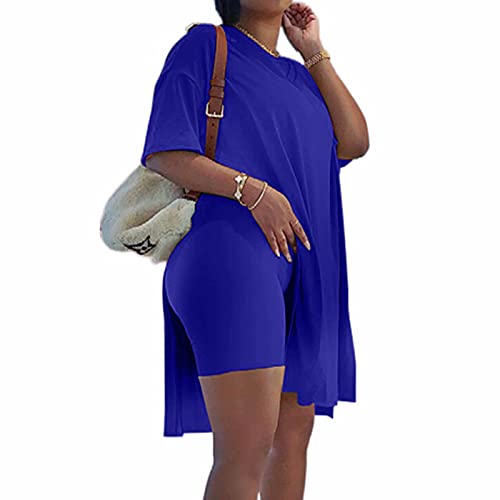
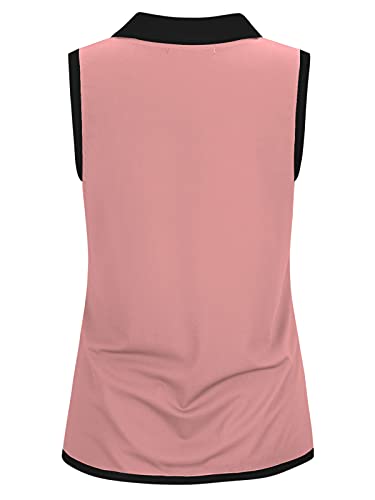
Prioritize Moisture Management Over Cotton
The most critical rule in selecting a running shirt is to avoid 100% cotton at all costs. While cotton is comfortable for lounging, it is a liability during cardiovascular exercise. Cotton is hydrophilic, meaning it absorbs and holds onto moisture. Once a cotton shirt becomes saturated with sweat, it becomes heavy, loses its shape, and clings to your skin, which can lead to rapid cooling and discomfort. Instead, look for synthetic blends—specifically polyester, nylon, or spandex. These materials are hydrophobic. They pull sweat away from your skin to the outer surface of the fabric where it can evaporate quickly. This 'wicking' action keeps you dry and helps regulate your core temperature during long runs.
Understand Fabric Weight and Breathability
Not all running shirts are designed for the same climate. When shopping, consider the weight of the fabric. Lightweight, 'micro-mesh' or highly perforated fabrics are ideal for high-intensity summer runs or humid environments where maximum airflow is necessary. These shirts often feature tiny laser-cut holes or a more open weave to facilitate ventilation. For cooler weather or long-distance endurance runs where you need a bit more thermal protection, a slightly heavier weight synthetic blend is preferable. A good rule of thumb is to check the density of the knit. If you hold the shirt up to the light and can see through the weave, it is designed for high breathability and heat dissipation.
The Importance of Seam Construction
One of the most common complaints among female runners is chafing, particularly in the underarm and bust areas. This is often caused by poorly constructed seams. When evaluating a shirt, look for 'flatlock stitching.' Unlike standard seams that have a raised ridge of fabric on the inside, flatlock seams lie flat against the skin, significantly reducing the risk of friction-induced irritation. Additionally, pay attention to the placement of seams. High-quality running shirts are often ergonomically cut, with seams that follow the natural contours of the female anatomy to prevent the fabric from bunching or pulling during repetitive motions.
Fit, Stretch, and Range of Motion
A running shirt should feel like a second skin without being restrictive. Look for a percentage of elastane or spandex in the fabric composition (typically between 5% and 12%). This provides the four-way stretch necessary for a full range of motion, ensuring that the shirt doesn't ride up during arm swings or feel tight across the shoulders. You must also decide between a 'compression fit' and a 'relaxed fit.' Compression shirts are tighter and designed to support muscle oscillation, whereas a relaxed fit offers more airflow and is generally more comfortable for casual runners or those who prefer a less restrictive feel.
Durability and Maintenance
Because running shirts are subjected to frequent washing and high levels of sweat, durability is a key decision factor. Look for fabrics that are treated to be anti-odor or use antimicrobial finishes, which help prevent the buildup of bacteria that causes that 'perma-stink' in synthetic gear. Furthermore, ensure the fabric is resistant to pilling. A shirt that develops small fuzzy balls after three washes is a poor investment. High-quality generic options will maintain their shape and moisture-wicking capabilities even after dozens of cycles in the laundry machine.