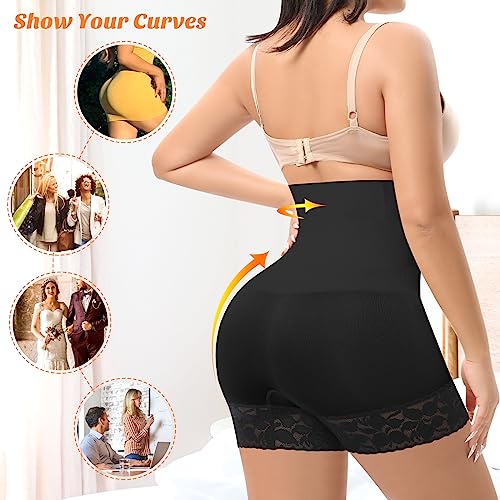
Determine Your Compression Level
The first decision factor in selecting a thigh slimmer is deciding how much pressure you actually need. Shapewear generally falls into three categories: light, medium, and firm. Light compression is ideal for daily wear and preventing skin-on-skin friction (chafing) without feeling restrictive. It is best for breathable, everyday comfort. Medium compression is the 'sweet spot' for most users, offering enough tension to smooth out the appearance of the upper thighs and hips while remaining comfortable for several hours. Firm compression is designed for special occasions where you want maximum smoothing and a significant reduction in volume. However, be aware that firm compression can be more difficult to move in and may require more frequent adjustments.
Evaluate Fabric and Breathability
Since thigh slimmers sit directly against the skin and cover a large surface area, the textile composition is critical. You want a blend that offers high elastane or spandex content for stretch, but also incorporates moisture-wicking properties. Look for seamless knit constructions that prevent irritation. A common issue with lower-body shapewear is heat retention. Therefore, opting for lightweight, breathable microfibers will prevent discomfort during long periods of wear. If you plan to wear these under lightweight fabrics like silk or jersey, ensure the fabric has a matte finish to avoid a 'shiny' look that might telegraph through your clothing.
Focus on Edge Stability and Rollover Prevention
The most frequent complaint regarding thigh slimmers is the tendency for the top band to roll down or the bottom hem to ride up. To avoid this, look for designs that feature silicone grip strips along the leg openings or the waistband. These strips act as an anchor, keeping the garment securely in place as you walk or sit. Additionally, consider the width of the waistband. A wider, reinforced band is much less likely to roll than a thin elastic strip, providing a smoother transition at the waist and preventing the dreaded 'muffin top' effect that occurs when compression is poorly distributed.
Length and Coverage Requirements
Not all thigh slimmers are created equal in terms of length. Some are designed as short shorts that end mid-thigh, which are excellent for preventing chafing and wearing under skirts. Others are longer, extending closer to the knee, which provides a more continuous smoothing effect for dresses or fitted trousers. When choosing, consider where your clothing hits your leg. If you are wearing a midi skirt, a longer slimmer will provide a more cohesive line. If you are wearing shorts or a mini skirt, a shorter version will be less noticeable and more comfortable for movement.
Sizing for Real-World Comfort
In the world of shapewear, sizing is not just about your measurements. It is about your desired outcome. If you are between sizes, sizing up will provide a more comfortable, smoothing effect that is easier to wear for long durations. Sizing down will provide more intense compression but increases the risk of the garment rolling, pinching, or being visible through your clothes. Always check the specific size charts provided for the garment, as compression wear often runs smaller than standard apparel.