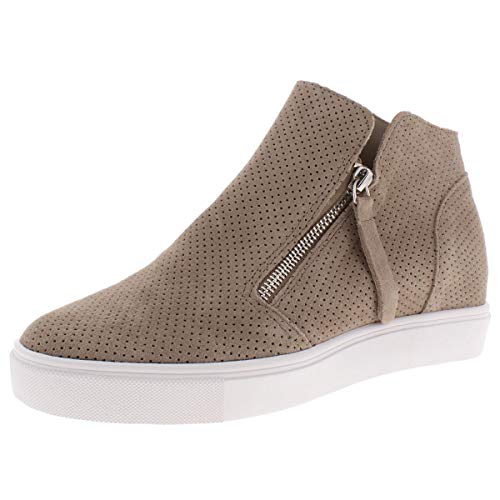
Prioritize the Upper Material and Stretch Factor
The most critical decision in selecting a slip-on sneaker is the material used for the upper. Since you cannot adjust the tightness with laces, the fabric must conform to your foot shape perfectly. Knit fabrics, often referred to as 'sock-like' uppers, offer maximum flexibility and breathability. These are ideal for casual wear and for those with slightly wider feet, as the material expands to accommodate natural swelling throughout the day. However, if you require more lateral stability—meaning you don't want your foot sliding side-to-side—look for slip-ons with reinforced overlays or structured canvas. These materials provide a more 'locked-in' feel that prevents the foot from shifting inside the shoe during movement.
Evaluate Arch Support and Insole Technology
One of the primary complaints with slip-on footwear is a lack of structural support. Many lifestyle slip-ons are built with flat, thin soles that offer little more than a layer of foam. If you plan on walking long distances or spend several hours standing, you must look for sneakers that feature contoured footbeds. Seek out models with built-in arch support or removable memory foam insoles. A high-quality slip-on should have a deep heel cup to prevent your foot from slipping out of the shoe as you walk, a common issue with low-profile designs. If the shoe feels too 'mushy,' it likely lacks the necessary density to support your weight over time.
Consider the Heel Construction and Entry Ease
The 'slip-on' functionality varies wildly between brands. Some models feature a rigid heel collar that requires you to use your hands to pull the shoe on, while others utilize elasticized 'gore' inserts on the sides of the tongue. Elastic inserts are the gold standard for true ease of use, allowing the shoe to expand as your foot enters and then snap back to hug your instep. Additionally, pay attention to the heel's stiffness. A soft, collapsible heel is great for a casual, relaxed look and can even be worn as a mule, but it offers significantly less ankle stability than a structured, reinforced heel.
Style Versatility and Sole Durability
When choosing your pair, consider the 'context of wear.' For a versatile wardrobe, a neutral-colored sneaker with a slim profile works seamlessly from the office to the weekend. If you are looking for something more athletic, look for outsoles made of high-traction rubber rather than lightweight EVA foam. While EVA is lighter and provides excellent shock absorption, it tends to wear down faster on abrasive urban surfaces. A rubberized outsole will provide better grip on wet sidewalks and ensure your sneakers last through multiple seasons of heavy use.