Identify Your Aesthetic Pillar
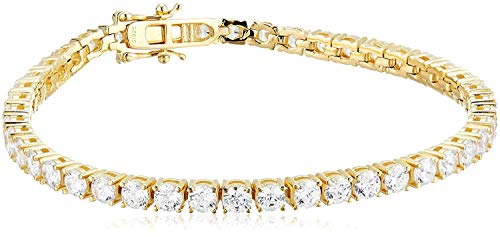
The first step in choosing a decadence strand bracelet is determining the 'mood' of your jewelry collection. Strand bracelets generally fall into three stylistic categories: Minimalist Opulence, Maximalist Statement, and Vintage Revival. If you prefer a clean, architectural look, focus on single-strand solid metal designs with high-luster finishes. These work beautifully for professional settings or as a subtle accent to a cocktail dress. If your style leans toward the dramatic, look for multi-strand configurations that incorporate varying textures, such as alternating silk cords with metallic spacers or clusters of mismatched gemstones. For those who love a sense of history, seek out intricate filigree work or baroque-inspired elements that mimic heirloom quality.
Material Composition and Longevity
In the world of high-end strand bracelets, the materials dictate both the price point and the longevity of the piece. Pay close attention to the metal base. For lasting brilliance, prioritize solid precious metals or high-quality gold vermeil, which provides a thick layer of gold over a precious metal core. Avoid lightweight alloys that may tarnish quickly or cause skin sensitivity. When evaluating gemstones, consider the 'drape' of the strand. A well-made strand bracelet should move with the wrist like liquid. If the stones are set in a rigid framework, ensure the hinge or clasp mechanism is robust enough to prevent the bracelet from warping over time. For pearl strands, look for luster and surface uniformity. A decadent piece should possess a deep, orient-like glow rather than a flat, plastic sheen.
The Importance of Weight and Drape
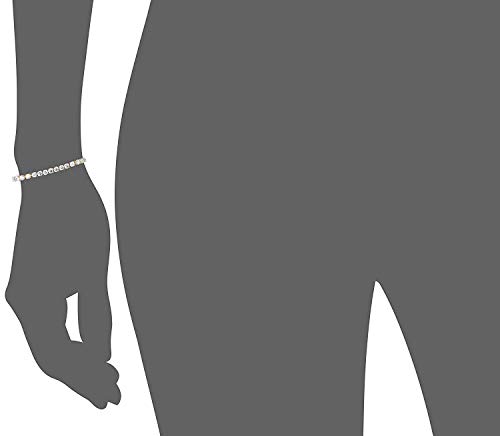
A common mistake in purchasing strand bracelets is overlooking the physical sensation of the piece. A true decadence bracelet should have a perceptible weight that signals quality, but it must not be so heavy that it slides awkwardly or causes discomfort. Test the 'drape' by imagining how the bracelet will sit on the wrist. Does it hug the contours, or does it bounce erratically? Multi-strand bracelets, in particular, need to be engineered so that the strands do not tangle or twist against one another. High-quality construction often utilizes subtle spacers or specialized threading to ensure each strand maintains its intended position, allowing the bracelet to flow elegantly with every movement of your hand.
Closure Security and Ease of Use
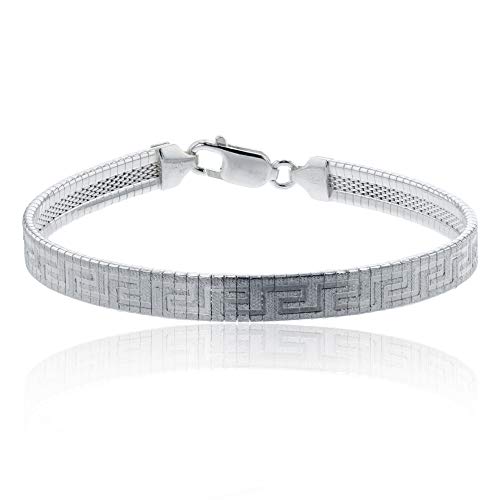
Because strand bracelets can be more complex than simple bangles, the closure is a critical decision factor. A statement piece is only as good as its ability to stay securely on your wrist. Look for reinforced lobster claws, integrated box clasps, or even hidden magnetic closures that maintain a seamless visual line. If you are purchasing a multi-strand piece, ensure the clasp is substantial enough to support the combined weight of the materials. A flimsy clasp on a heavy, decadent strand is a recipe for lost jewelry. Always prioritize a closure that feels intentional and secure, serving as a functional component of the bracelet's overall design rather than an afterthought.