Prioritize Fabric Breathability and Texture
The most critical factor in a cover-up is the material. Because these garments are worn in high-heat environments, often over damp skin, the fabric must facilitate airflow to prevent overheating. Natural fibers like linen and cotton are the gold standard. They are highly absorbent, moisture-wicking, and offer a sophisticated, relaxed drape that looks intentional rather than accidental. Linen, in particular, provides a structured elegance that works well for upscale resort settings.
If you are looking for something more bohemian or romantic, consider crochet or lace. These open-knit textures provide excellent ventilation and create beautiful light patterns on the skin. However, be mindful of the weight. A heavy knit might feel cumbersome when wet. For those seeking a sleek, modern look, lightweight rayon or silk blends offer a fluid motion that complements the silhouette of a one-piece swimsuit perfectly.
Match the Silhouette to Your Swimwear Style
Your choice of cover-up should complement, not compete with, your swimwear. If you are wearing a high-cut bikini or a bold, patterned one-piece, a simple, oversized white button-down shirt or a sheer sarong offers a clean contrast that lets the swimwear remain the focal point. Conversely, if your swimwear is minimalist and monochromatic, you have more freedom to experiment with voluminous sleeves, ruffles, or intricate embroidery in your cover-up.
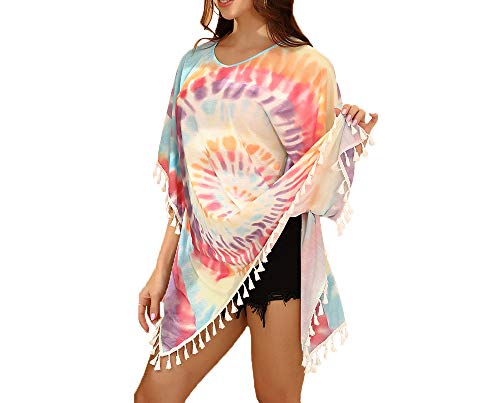
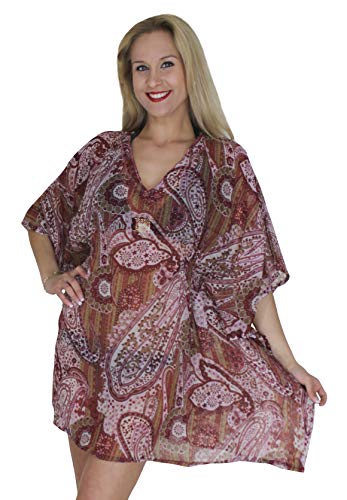
Consider the 'coverage goal' for different scenarios. A kaftan or tunic offers maximum modesty and sun protection, making it ideal for walking through beach towns or visiting casual seaside eateries. A short mesh tunic or a lightweight kimono is better suited for quick transitions from the water to a poolside lounge chair. If you want versatility, look for wrap-style designs that can be adjusted to change the neckline or hemline length.
Evaluate Functionality and Ease of Wear
A great cover-up should be easy to slip on and off, especially when dealing with wet hair or sunscreen-slicked skin. Avoid garments with excessive small buttons, intricate zippers, or tight elastic closures that might snag or become difficult to manage in a beach environment. Adjustable ties, open-front designs, and pull-over styles are generally more practical for frequent changes.
Don't overlook the importance of weight and packability. If you travel frequently, look for lightweight fabrics that resist wrinkling or can be easily shaken out. A sarong is the ultimate travel companion because it occupies almost zero space in a beach bag and can be styled as a skirt, a dress, or even a headwrap. For more permanent resort wear, ensure the garment has enough weight to drape beautifully without being so heavy that it becomes difficult to dry between uses.
Consider Sun Protection and Opacity
While many cover-ups are designed to be sheer for aesthetic reasons, some users prioritize UV protection. If your primary goal is to minimize sun exposure while walking between locations, opt for tighter weaves and higher-density fabrics. While a sheer lace cover-up provides a stylistic layer, it offers minimal protection against UV rays. Understanding the balance between 'see-through' style and 'sun-safe' utility will ensure your purchase meets your specific needs for your next vacation.