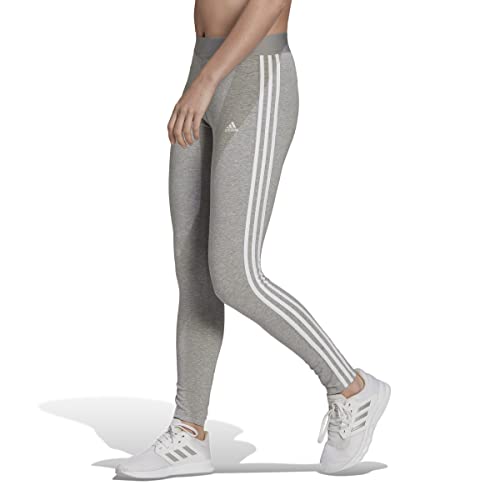
Prioritize Fabric Composition and Moisture Management
The most critical factor in tennis apparel is the fabric technology. On the court, moisture is your enemy. Heavy, cotton-based fabrics will absorb sweat, become waterlogged, and cause chafing during long rallies. Instead, look for synthetic blends—primarily polyester, nylon, or spandex. High-quality tennis pants should feature moisture-wicking properties that pull perspiration away from the skin to the surface of the fabric for quick evaporation. Additionally, consider the weight of the textile. For summer matches, seek out ultra-lightweight, breathable weaves. For autumn or early spring sessions, a slightly heavier interlock knit can provide necessary warmth without sacrificing the stretch required for deep baseline shots.
Evaluate Range of Motion and Stretch Recovery
Tennis is a sport of explosive, multi-directional movement. If your pants lack sufficient elasticity, you risk tearing the seams or, more importantly, limiting your ability to reach for difficult volleys. Look for 'four-way stretch' construction, which ensures the fabric expands both crosswise and lengthwise. However, stretch alone isn't enough. You must also look for 'stretch recovery.' This refers to the fabric's ability to snap back to its original shape after being stretched. Low-quality pants will develop 'baggy knees' after an hour of play, which can be distracting and aesthetically unappealing. A high-recovery fabric ensures the pants maintain a streamlined fit throughout your entire session.
Assess Functional Storage and Pocket Utility
One of the primary reasons players opt for pants over skirts or shorts is the utility of the pockets. A functional pair of tennis pants should feature secure, streamlined pockets capable of holding at least one tennis ball without creating an unsightly bulge that disrupts your stride. Look for zippered side pockets if you intend to carry personal items like keys or a phone during warm-ups. The placement of these pockets is vital. They should be positioned so that the weight of the contents does not pull the waistband down or interfere with your hip mechanics during lateral sprints.
Consider Waistband Construction and Fit
The waistband is the anchor of your performance. For high-intensity play, a wide, high-rise waistband is often preferred as it provides core support and ensures the pants stay in place during heavy lunges and serves. Avoid waistbands that are too thin or rely solely on a drawstring, as they can roll or slip. A combination of an elasticated waistband with an internal drawcord offers the best of both worlds: the comfort of stretch and the security of a custom fit. Finally, consider the silhouette. While tapered joggers offer a modern, athletic look that prevents excess fabric from catching on your racket, a straight-leg cut might offer more ventilation for those who prefer a looser feel.